
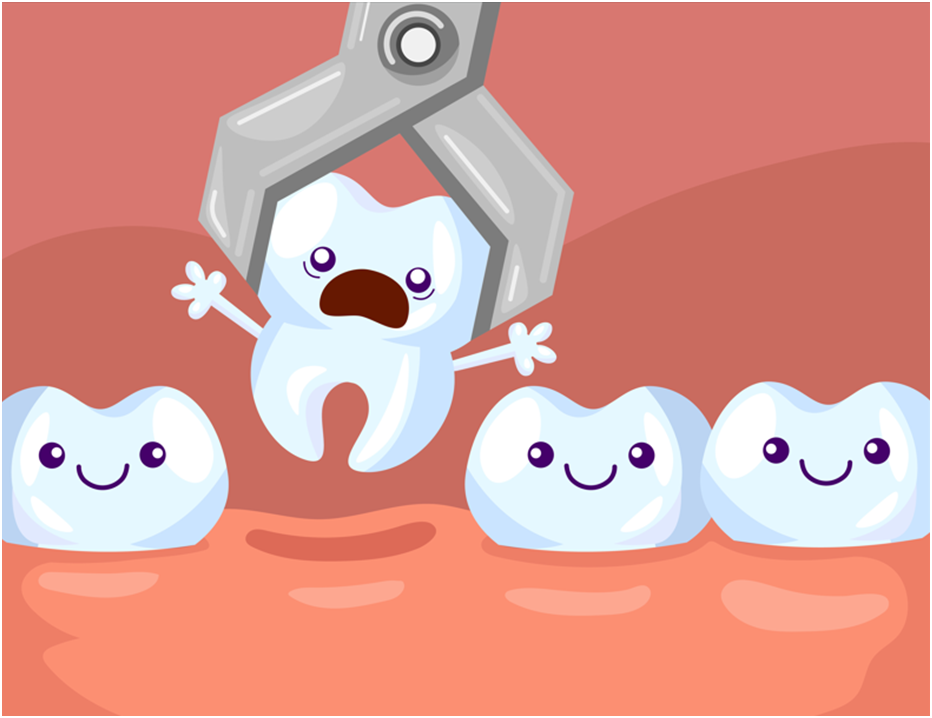
One of the most common concerns people have before starting orthodontic treatment is:
“Will I need to remove healthy teeth for braces?”
The idea of extracting permanent teeth can sound intimidating, especially when the teeth are healthy and pain-free. Fortunately, advances in modern orthodontics mean that not every patient requires tooth extraction. In fact, many people in Singapore successfully complete orthodontic treatment without removing any teeth.
Whether extractions are necessary depends on your individual dental condition, facial profile, bite, and treatment goals—not simply the amount of crowding.
In this article, we’ll explain when tooth extraction is recommended, when it can be avoided, and how orthodontists in Singapore determine the best treatment plan.
Why Are Teeth Sometimes Extracted Before Braces?
The primary purpose of tooth extraction is to create enough space for proper tooth alignment and bite correction.
When there isn’t sufficient room in the jaw, teeth may become:
● Crowded
● Rotated
● Overlapping
● Protrusive (sticking out)
● Unable to move into their ideal positions
Removing selected teeth creates controlled space that allows orthodontists to move the remaining teeth into healthier, more stable positions.
It’s important to understand that extraction is not performed routinely. Instead, it is only recommended when the benefits clearly outweigh the risks.
According to the American Association of Orthodontists (AAO) and the British Orthodontic Society (BOS), extraction decisions should always be based on comprehensive diagnosis rather than a single factor such as crowding alone.
How Orthodontists Decide Whether You Need Tooth Extraction
Before recommending braces with or without extraction, your orthodontist performs a detailed assessment.
This typically includes:
| Assessment | Why It Matters |
| Clinical examination | Evaluates tooth alignment, oral health and jaw relationship |
| Digital scans or impressions | Measures available space accurately |
| X-rays (OPG and cephalometric radiographs) | Assesses tooth position, root health and jaw structure |
| Photographs | Evaluates facial profile and smile aesthetics |
| Bite analysis | Identifies overbite, underbite, crossbite or open bite |
| Growth assessment (for younger patients) | Determines whether jaw growth can influence treatment |
Rather than looking at one tooth, orthodontists evaluate the entire face, jaws, teeth and bite before deciding on extractions.

Situations Where Tooth Extraction May Be Necessary
Although many cases can now be treated without extraction, there are situations where removing teeth provides the safest and most predictable outcome.
1. Severe Dental Crowding
One of the most common reasons is severe crowding.
If the combined width of your teeth exceeds the available space in your dental arch, there may simply not be enough room to align every tooth properly.
Signs of severe crowding include:
● Teeth overlapping extensively
● Teeth erupting outside the dental arch
● Difficulty cleaning between teeth
● Increased risk of tooth decay and gum disease
In severe cases, attempting non-extraction treatment may push teeth too far outside the supporting bone, compromising long-term stability.
2. Protruding Front Teeth
Patients with prominent upper front teeth often benefit from extraction treatment.
Removing premolars may allow the orthodontist to:
● Retract protruding front teeth
● Improve lip closure
● Reduce excessive overjet
● Create a more balanced facial profile
This is especially relevant if the lips appear excessively protrusive due to dental positioning rather than jaw size.
3. Certain Bite Problems
Extraction may be recommended when correcting:
● Severe Class II malocclusion
● Severe Class III camouflage cases
● Significant overjet
● Deep bite associated with protrusion
Creating space allows controlled movement of teeth into a more functional bite.
4. Impacted Teeth
Sometimes permanent teeth, particularly canine teeth, become trapped beneath the gums because there isn’t enough space.
Extraction of another tooth may create room for:
● Surgical exposure
● Orthodontic traction
● Proper eruption into the dental arch
5. Teeth That Cannot Be Saved
Occasionally the decision is straightforward.
If a tooth has:
● Extensive decay
● Severe fracture
● Failed root canal treatment
● Advanced periodontal disease
Your orthodontist may recommend extracting that tooth instead of removing a healthy one.

Situations Where Tooth Extraction May Not Be Necessary
Modern orthodontics has introduced several techniques that reduce the need for extraction in suitable patients.
These include:
1. Mild to Moderate Crowding
If crowding is relatively mild, space can often be created through:
● Dental arch expansion
● Interproximal reduction (IPR)
● Slight forward movement of teeth
● Careful alignment
Many adults with mild crowding can achieve excellent outcomes without extraction.
2. Growing Children and Teenagers
Younger patients may benefit from:
● Growth modification appliances
● Functional appliances
● Early interceptive orthodontics
Because the jaws are still developing, treatment can sometimes create sufficient space naturally.
3. Expansion of the Dental Arch
Modern orthodontics allows controlled widening of the dental arches in selected patients.
Expansion may:
● Improve smile width
● Reduce mild crowding
● Avoid unnecessary extractions
However, expansion is not suitable for everyone, particularly adults with severe crowding.
4. Interproximal Reduction (IPR)
IPR involves removing a very small amount of enamel between selected teeth.
Typically:
● 0.2–0.5 mm per contact
● Maintains overall tooth health
● Creates several millimetres of space
Research indicates that properly performed IPR is safe when carried out within recommended limits and followed by good oral hygiene.
Tooth Extraction vs Non-Extraction Braces
The choice depends entirely on your individual diagnosis.
| Extraction Treatment | Non-Extraction Treatment |
| Creates larger amounts of space | Preserves all permanent teeth |
| Suitable for severe crowding | Suitable for mild to moderate crowding |
| May improve facial protrusion | Maintains natural dental arch |
| Often requires longer space closure | May have shorter space management |
| Requires healing after extraction | No extraction procedure needed |
Neither approach is automatically better.
The best treatment is the one that provides:
● Healthy bite
● Stable alignment
● Good facial aesthetics
● Long-term function

Does Tooth Extraction Make the Face Look Sunken?
This is one of the biggest myths surrounding orthodontics.
Many patients worry that removing teeth will make their cheeks collapse or their face appear older.
Current scientific evidence suggests that:
● Properly planned orthodontic extraction does not automatically cause a sunken face.
● Facial appearance depends on multiple factors including:
○ Jaw structure
○ Lip support
○ Soft tissue thickness
○ Ageing
○ Weight changes
Orthodontists carefully evaluate facial profile before recommending extractions to avoid undesirable aesthetic changes.
What Teeth Are Usually Removed?
When extraction is necessary, the most commonly removed teeth are:
| Tooth | Reason |
| First premolars | Creates space close to crowded front teeth |
| Second premolars | Used in selected treatment plans |
| Severely damaged tooth | Preferred if prognosis is poor |
| Wisdom teeth | Usually removed for separate reasons, not to create space for braces. Wisdom tooth removal alone generally does not relieve front tooth crowding. |

How Much Does Tooth Extraction for Braces Cost in Singapore?
The cost depends on the complexity of the extraction and the type of clinic.
The table below provides general estimates. Actual fees vary among dental clinics.
| Procedure | Estimated Cost (SGD) |
| Simple tooth extraction | $80–$250 per tooth |
| Surgical extraction | $250–$600+ per tooth |
| Wisdom tooth surgery | $650–$1,500+ depending on complexity |
| Orthodontic consultation | $50–$200 (may be waived at some clinics) |
If treatment is medically necessary, certain procedures may be eligible for MediSave claims, particularly surgical wisdom tooth removal performed under approved conditions. Your dentist or oral surgeon can advise on eligibility.
Can Invisalign Avoid Tooth Extraction?
Some patients believe Invisalign automatically avoids extractions.
This is not true.
Whether you choose:
● Metal braces
● Ceramic braces
● Self-ligating braces
● Invisalign clear aligners
The decision to extract depends on:
● Space requirements
● Bite correction
● Facial profile
● Overall treatment goals
Both braces and Invisalign can be used successfully with or without extractions.

Comparison of Orthodontic Extraction Rates in Different Regions
| Region | Reported Extraction Rate | Notes |
| Worldwide (general estimates) | 20–35% | Rates have declined compared with the 1980s–1990s, when extraction rates often exceeded 50%. |
| North America | 15–30% | Non-extraction treatment has become increasingly common due to evolving treatment philosophies. |
| Europe | 20–35% | Varies by country and orthodontic practice. |
| East Asia (China, Japan, Korea) | 35–60% | Higher prevalence of bimaxillary protrusion and severe crowding contributes to higher extraction rates. |
| Southeast Asia (Singapore, Malaysia, Thailand) | 30–50% | Similar trends to East Asia, though rates vary among clinics and patient populations. |
Why Are Extraction Rates Higher in Asian Populations?
Several studies have reported that Asian patients are more likely to require extractions than Caucasian populations. This is largely due to anatomical and aesthetic differences rather than differences in treatment quality.
Common contributing factors include:
● Higher prevalence of bimaxillary protrusion, where both upper and lower front teeth protrude forward.
● Greater dental crowding, often associated with relatively smaller jaw size compared with tooth size.
● Facial profile preferences, as many Asian patients seek a less protrusive lip profile.
● Higher incidence of Class I malocclusion with protrusion, which often benefits from premolar extraction.
These factors mean that extraction can provide better facial balance and more stable orthodontic outcomes in selected patients.
Singapore Situation
Singapore is a multicultural country comprising predominantly Chinese, Malay, and Indian populations. Consequently, orthodontists commonly encounter patients with craniofacial characteristics similar to those reported in other Asian countries.
Although there are no nationwide published statistics specifically reporting orthodontic extraction rates in Singapore, clinical experience and regional studies suggest that:
● Approximately 30–50% of orthodontic patients may require extraction as part of treatment.
● The decision is highly individualized and depends on:
○ Degree of crowding
○ Facial profile
○ Bite relationship
○ Skeletal pattern
○ Patient expectations
Many Singapore orthodontists now employ non-extraction approaches whenever clinically appropriate, including:
● Arch expansion
● Interproximal reduction (IPR)
● Distalisation using temporary anchorage devices (TADs)
● Clear aligner treatment with optimized tooth movement
As a result, extraction rates have gradually declined compared with previous decades.
Final Thoughts
Not everyone needs tooth extractions before braces. Whether extraction is necessary depends on your teeth, bite, jaw structure, and smile goals. A thorough orthodontic assessment is the best way to determine the right treatment for you.
If you’re considering braces or Invisalign, let the team at About Braces Dental Surgery guide you through your options with a personalised treatment plan. WhatsApp us at +6581205212 to book your consultation and take the first step towards a healthier, more confident smile.