

When patients start considering orthodontic treatment, one of the first questions they usually ask is: “How much do braces cost in Singapore?”
The answer is not straightforward. In Singapore, braces can cost anywhere from around S$2,500 to more than S$10,000, depending on the type of treatment and the complexity of the case. Two people may look like they have similar teeth issues, but still receive very different treatment plans and quotes.
This is because braces are not a fixed product—they are a customised medical treatment. The final cost depends on several important factors, including the type of braces chosen, the difficulty of the case, treatment duration, and the experience of the orthodontist.
In this article, we will break down these factors in a simple way so you can better understand what you are actually paying for.
The Type of Braces You Choose
One of the biggest factors affecting cost is the type of braces used. Different systems require different materials, technologies, and levels of clinical work.
Here are the most common options in Singapore:
Typical price ranges:
- Metal braces: S$2,500 – S$5,000
- Ceramic braces: S$4,000 – S$7,000
- Clear aligners (e.g. Invisalign): S$4,000 – S$9,000+
- Lingual braces: S$8,000 – S$15,000+
Metal braces are usually the most affordable option and are suitable for almost all types of cases. Ceramic braces work in a similar way but are more discreet because they blend in with the teeth.
Clear aligners have become popular among working adults because they are removable and less visible. However, they often cost more due to the digital planning and custom manufacturing involved.
Lingual braces are placed behind the teeth, making them completely invisible from the front. However, they are technically more demanding for the orthodontist, which explains the higher cost.
Complexity of the Dental Condition
Not all orthodontic cases are the same. Some patients only need minor adjustments, while others require significant tooth movement and bite correction. The more complex the case, the more time, planning, and clinical skill are needed.
Examples of conditions that usually increase complexity:
- Severe crowding
- Large gaps between teeth
- Deep bite or open bite
- Underbite or crossbite
- Impacted teeth
- Jaw alignment issues
Simple cases may only require minor alignment and can often be completed faster. More complex cases may involve tooth extractions, bite correction, or even coordination with surgical procedures.
In general, more complex treatment means:
- More clinic visits
- Longer treatment time
- More adjustments and monitoring
- Higher overall cost
This is also why two patients using the same type of braces can end up paying very different fees.
|
Case Type |
Estimated Total Cost (SGD) |
Typical Treatment Duration |
|
Mild crowding / spacing |
$2,500 – $4,000 |
12–18 months |
|
Moderate malocclusion |
$4,000 – $7,000 |
18–24 months |
|
Severe crowding / bite issues |
$6,000 – $9,000+ |
24–36 months |
|
Complex + extractions / surgical cases |
$7,000 – $13,000 |
2–3+ years |
The table above shows how treatment complexity can affect the overall cost and duration of braces treatment in Singapore.

Treatment Duration
The length of treatment is another important factor that affects cost. On average, orthodontic treatment in Singapore lasts between 12 and 36 months, depending on the difficulty of the case and patient cooperation.
- Mild cases: 12–18 months
- Moderate cases: 18–24 months
- Complex cases: 24–36 months or longer
Longer treatment means more review appointments and more time spent by the orthodontist adjusting and monitoring progress. This naturally increases the overall cost.
It is also important to note that treatment duration is not fully controlled by the clinic. Patient cooperation plays a big role. Missing appointments, breaking brackets, or not following instructions (such as wearing elastics or aligners properly) can extend treatment time and increase cost indirectly.

Additional Dental Procedures
Many patients assume that the braces fee includes everything, but this is not always the case. In some situations, additional dental work is needed before or during orthodontic treatment.
These procedures are not always included in the braces package and can affect the total cost.
Common additional treatments include:
- Dental fillings or restorations
- Professional cleaning and gum treatment
- Tooth extractions (to create space)
- Wisdom tooth removal
- X-rays and diagnostic scans
- Jaw surgery in severe cases
|
Procedure |
Typical Cost Impact (SGD) |
|
Tooth extraction |
$100 – $300 per tooth |
|
Wisdom tooth surgery |
$600 – $3,500 |
|
Fillings / restorations |
$100 – $280 per tooth |
|
Gum treatment (scaling, etc.) |
$90 – $180 |
|
Jaw surgery (orthognathic cases) |
$5,000 – $15,000+ |
The table above shows the typical cost impact for additional procedure during braces treatment.
For example, a patient with crowding may need one or more teeth removed before braces can begin. Another patient with gum issues may need cleaning and treatment first to ensure healthy gums during orthodontic movement.
These additional steps are important for safe and successful treatment, but they can increase the total cost significantly.
Experience and Qualification of the Practitioner
Another factor that influences pricing is the experience and qualification of the dentist providing the treatment.
Orthodontists are dental specialists who undergo several additional years of training after becoming general dentists. This training focuses specifically on tooth movement, bite correction, and facial growth.
Experienced orthodontists are often better equipped to manage:
- Complex bite problems
- Severe crowding or spacing
- Impacted teeth
- Surgical orthodontic cases
While higher fees do not automatically guarantee better results, experience does play an important role in treatment planning, efficiency, and long-term stability.
Patients are not just paying for braces—they are also paying for clinical judgment, planning ability, and years of specialist training.
What’s Included in the Treatment Package?
The total cost of braces can also vary depending on what is included in the quoted package. Some clinics offer all-inclusive pricing, while others separate certain services.
This is why it is important to always clarify what you are paying for before starting treatment.
Items commonly included in braces packages:
- Initial consultation
- Diagnostic records (photos, X-rays, scans)
- Braces placement or aligner setup
- Regular adjustment visits
- Emergency visits (in some cases)
- Braces removal
- Retainers
However, some clinics may charge separately for:
- Extra X-rays or scans
- Tooth extractions
- Fillings or gum treatment
- Replacement retainers
- Additional aligners or refinements
A lower upfront price may not always mean cheaper overall treatment, especially if many items are charged separately later.
Retainers After Braces
Many patients think treatment ends once braces are removed, but this is not completely true. Retainers are a very important final step in orthodontic treatment.
After braces, teeth have a natural tendency to shift back toward their original position. Retainers help maintain the new alignment and protect the investment you have made in your smile.
Retainers may be:
- Fixed (bonded behind the teeth)
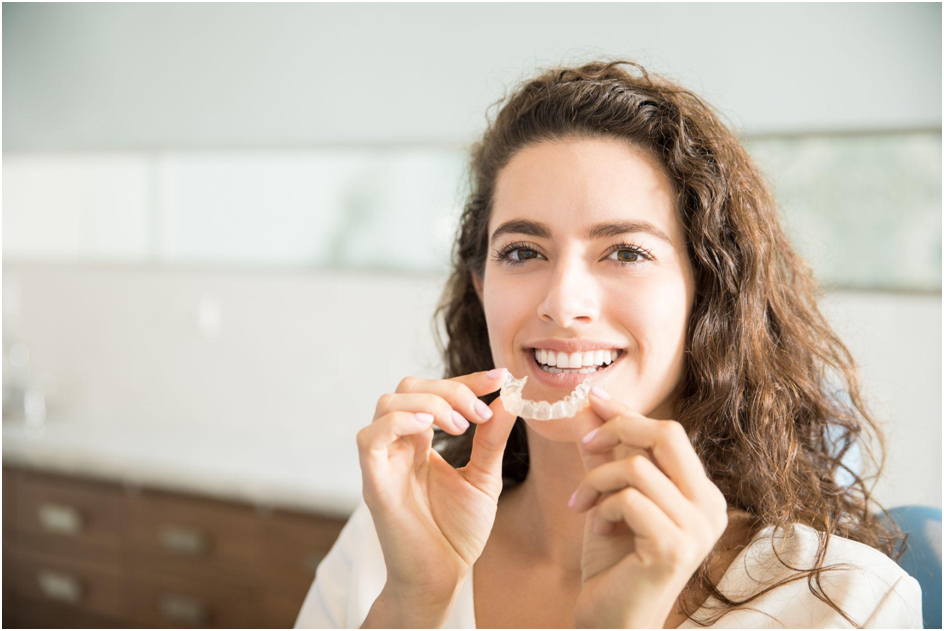
- Removable clear retainers
- Traditional acrylic retainers
Some clinics include retainers in the total treatment cost, while others charge separately. It is important to confirm this early, as retainers may need replacement over time.
Conclusion
The cost of braces in Singapore is not fixed because every patient has different needs. What you are paying for is not just the braces themselves, but a full treatment process that includes diagnosis, planning, adjustments, and long-term stability.
Instead of focusing only on price, it is often more helpful to focus on value and suitability. The cheapest option may not always be ideal, and the most expensive option may not always be necessary.
If you are considering braces, the best way to get an accurate estimate is to go for a consultation. A proper examination will allow the orthodontist to explain your condition, recommend suitable options, and provide a clearer breakdown of the expected cost.
Frequently Asked Questions (FAQ)
1. Are Braces Cheaper at Public Clinics or Private Clinics in Singapore?
One common question Singaporeans ask is whether braces are cheaper through the public healthcare system.
In general, orthodontic treatment at public institutions such as the National Dental Centre Singapore (NDCS) or public hospitals may be more affordable than treatment at private dental clinics. However, patients should be aware that waiting times can be significantly longer, and eligibility criteria may apply.
|
Clinic Type |
Typical Cost Range (SGD) |
Waiting Time |
|
Public institutions (NDCS/Public Hospitals) |
$2,000 – $5,000 |
Several months to a few years |
|
Private dental clinics |
$3,500 – $13,000 |
Usually shorter waiting times |
The table above shows the typical cost range and waiting time for both public and private clinic
While cost is an important consideration, patients should also consider factors such as convenience, appointment availability, treatment options, and the experience of the treating practitioner.
2. Can CHAS Be Used for Braces?
The Community Health Assist Scheme (CHAS) generally does not subsidise routine braces treatment.
However, CHAS subsidies may be available for certain basic dental procedures, such as:
- Dental consultations
- Fillings
- Scaling and polishing
- Tooth extractions
While these subsidies may help reduce the cost of supporting dental treatment, they typically do not cover the orthodontic treatment itself.
3. Does Medisave Cover Braces in Singapore?
In most cases, Medisave cannot be used for routine orthodontic treatment that is performed primarily for teeth alignment or aesthetic reasons.
However, Medisave may be claimable when orthodontic treatment forms part of a medically necessary surgical procedure, such as corrective jaw surgery (orthognathic surgery). Eligibility depends on the specific treatment plan and prevailing Ministry of Health (MOH) guidelines.
Patients who are considering complex orthodontic treatment involving surgery should check with their dental provider regarding Medisave eligibility.
4. What’s the Cheapest Way to Get Braces in Singapore?
For patients looking for the most affordable treatment option, several factors can help reduce the overall cost:
- Choose traditional metal braces instead of ceramic, lingual, or clear aligners
- Seek treatment at public institutions if eligible
- Maintain good oral health to minimise the need for additional procedures
- Attend appointments regularly to avoid treatment delays
- Wear elastics and appliances as instructed by your orthodontist
It is important to remember that the cheapest option is not always the best option. Successful orthodontic treatment depends on careful diagnosis, planning, and long-term follow-up.
5. Are braces more expensive for adults than children?
Not necessarily. The cost is usually determined by the complexity of the case rather than the patient’s age. However, adults may be more likely to choose aesthetic options such as ceramic braces, lingual braces, or clear aligners, which can increase treatment costs.
6. Is Invisalign more expensive than braces?
In many cases, clear aligners such as Invisalign are more expensive than traditional metal braces due to the digital treatment planning and customised aligners involved. However, costs vary depending on the complexity of the case.
7. How long does braces treatment take?
Most orthodontic treatments take between 12 and 36 months. Simpler cases may be completed more quickly, while complex cases may require several years of treatment.
8. Do I need retainers after braces?
Yes. Retainers are essential to maintain the final result after braces. Without retainers, teeth can gradually shift back towards their original positions.
Ready to Find Out How Much Braces Will Cost for Your Case?
Every smile is different, which means the only way to receive an accurate quotation is through a professional assessment.
Book a consultation with our team today to receive:
- A comprehensive orthodontic assessment
- Personalised treatment recommendations
- A detailed cost breakdown
- Information on braces, Invisalign, and other treatment options

Call us at +6581205212 to schedule your consultation today.
You may also find these resources helpful: