

Crooked teeth are one of the most common dental concerns among adults and teenagers. Whether it is overlapping front teeth, uneven tooth alignment or small gaps between teeth, many people wish to improve their smiles. Fortunately, modern dentistry offers several treatment options to address these concerns, with braces and dental veneers being two popular choices.
However, if you are unhappy with the appearance of your crooked teeth, should you choose braces or veneers?
Although both treatments can improve the appearance of your smile, they work in very different ways. Braces gradually move your natural teeth into better positions, while veneers cover the front surfaces of teeth to create a more aesthetically pleasing appearance. Choosing the wrong treatment may result in unnecessary tooth reduction, additional expenses or unsatisfactory long-term results.
What Are Braces?
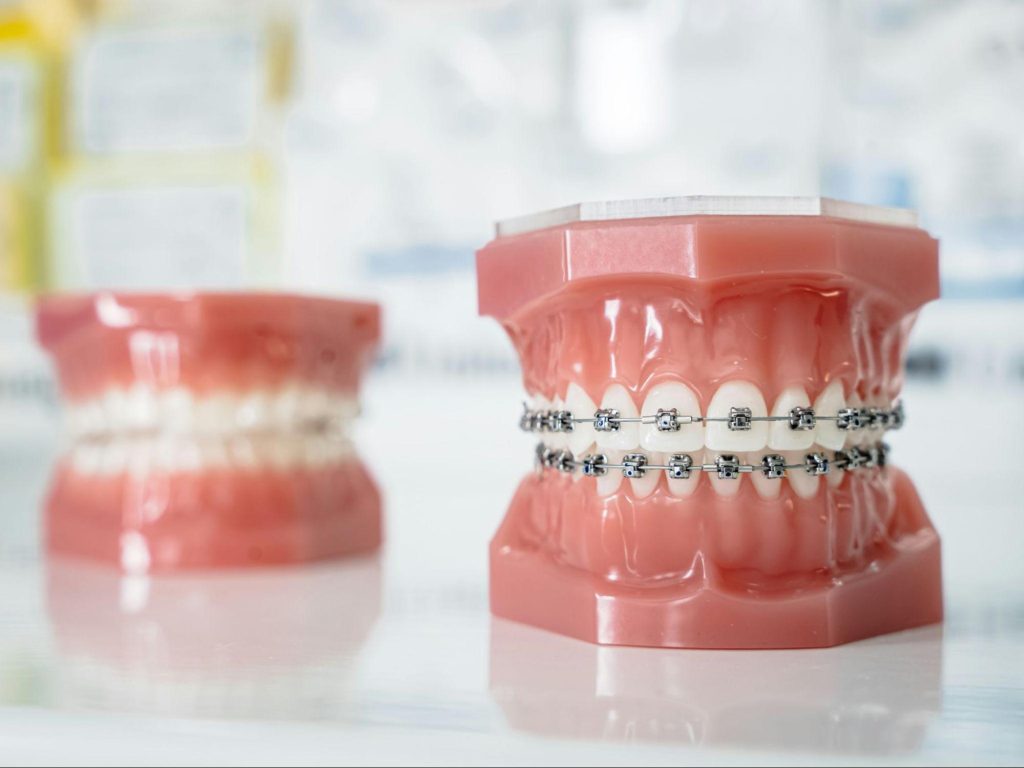 Braces are orthodontic appliances designed to gradually move teeth into their correct positions using controlled forces. They help correct crooked teeth, dental crowding, gaps and bite problems.
Common types of orthodontic treatments include:
- Metal braces: Traditional braces made of metal brackets and wires.
- Ceramic braces: Tooth-coloured brackets that are less noticeable.
- Self-ligating braces: Braces that use a specialised mechanism to hold the archwire.
- Clear aligners: Removable transparent trays that gradually straighten teeth.
|
Advantages |
Disadvantages |
|
|
What Are Dental Veneers?
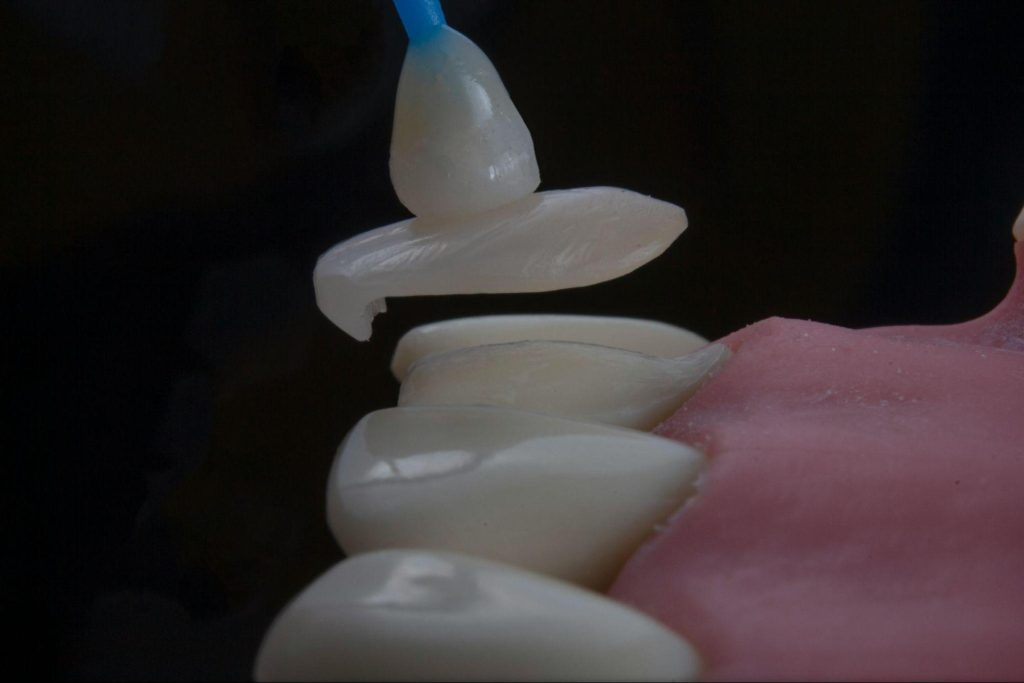 Dental veneers are thin coverings bonded to the front surfaces of teeth to improve their appearance. They can enhance tooth colour, shape, size and symmetry, creating a more attractive smile.
There are two common types:
- Porcelain veneers: Custom-made ceramic shells that offer a natural appearance, good durability and stain resistance.
- Composite veneers: Tooth-coloured resin applied directly to the teeth or fabricated indirectly.
|
Advantages |
Disadvantages |
|
|
Braces vs Veneers: What Are the Main Differences?
Although braces and veneers can both improve the appearance of crooked teeth, their treatment objectives are fundamentally different.
The following table highlights the main differences between these two options.
|
Factors |
Braces |
Dental veneers |
|
Main purpose |
Correct tooth alignment |
Improve tooth appearance |
|
Tooth movement |
Yes |
No |
|
Treatment duration |
Several months to years |
Usually a few weeks |
|
Tooth preparation |
Generally not required |
Often requires enamel removal |
|
Reversibility |
Teeth can be moved, but retention is needed |
Often irreversible |
|
Suitable for severe crowding |
Yes, depending on complexity |
Generally unsuitable |
|
Corrects bite problems |
Yes, depending on the problem |
No |
|
Improves tooth colour |
Not directly |
Yes |
|
Long-term maintenance |
Retainers and regular dental care |
Regular dental care and possible replacement |
The biggest difference is that braces correct the position of your natural teeth, whereas veneers primarily improve their external appearance.
If your main concern is genuinely crooked teeth, braces are generally the more appropriate treatment because they address the underlying alignment problem.
When Should You Choose Braces?
 Here are some situations where orthodontic treatment may be more suitable.
- Moderate to severe crooked teeth
- If your teeth overlap significantly or are positioned at different angles, braces can gradually reposition them into better alignment. Veneers may require excessive removal of natural tooth structure to camouflage this degree of misalignment.
- Dental crowding
- Dental crowding occurs when there is insufficient space in the dental arch for all the teeth to align properly. Some teeth may overlap, rotate or become displaced.
- Braces can help redistribute the available space and improve the alignment of crowded teeth. Depending on the severity, treatment may involve interproximal reduction, expansion or extraction of selected teeth.
- Gaps between teeth
- Braces can close spaces between teeth by gradually moving them closer together. This is particularly useful for patients with multiple spaces or larger gaps.
- Bite problems
- Crooked teeth are sometimes associated with underlying bite problems, such as:
- Overbite: The upper front teeth overlap the lower front teeth excessively.
- Underbite: The lower front teeth are positioned in front of the upper front teeth.
- Crossbite: Some upper teeth bite inside the lower teeth.
- Open bite: The upper and lower teeth do not meet when the mouth is closed.
- These conditions may affect chewing, tooth wear and overall oral function. Braces can help correct many of these problems, although more complex cases may require additional orthodontic or surgical treatment.
- Patients who want to preserve their natural teeth
- One major advantage of braces is that they generally do not require the removal of healthy enamel. For patients who want to improve their smiles while preserving as much natural tooth structure as possible, orthodontic treatment is often a more conservative option.
When Are Dental Veneers a Better Option?
Veneers may be considered for the following situations:
- Mildly rotated or uneven teeth
- If one or two front teeth are slightly rotated or uneven, veneers may sometimes improve their visual appearance. However, the amount of rotation, tooth position and available enamel must be carefully assessed before proceeding.
- Discoloured teeth
- Some intrinsic stains do not respond adequately to conventional teeth whitening. Veneers can provide a more predictable improvement in tooth colour by covering the discoloured surfaces.
- Uneven tooth shapes and sizes
- Some individuals naturally have teeth that differ in length, width or shape. Veneers can help create a more balanced and symmetrical smile.
- Small gaps between teeth
- Small spaces between the front teeth may sometimes be closed using veneers by slightly increasing the apparent width of the teeth.
- However, the dentist must ensure that the final tooth proportions remain natural and that the veneers do not create excessively wide-looking teeth.
- It is important to remember that veneers are primarily cosmetic restorations. They should not be used to disguise significant orthodontic problems that would benefit from proper tooth movement.
Can You Get Veneers Instead of Braces to Fix Crooked Teeth?
 This is one of the most important questions to consider before choosing between the two treatments.
The short answer is that veneers can make certain crooked teeth look straighter, but they cannot actually correct their positions.
For example, imagine a patient with slightly overlapping upper front teeth. By preparing the tooth surfaces and placing veneers with carefully designed contours, a dentist may create the appearance of a straighter smile.
However, there are limitations to this approach.
Excessive removal of natural tooth structure
- When teeth are significantly misaligned, more enamel may need to be removed to accommodate veneers and create an acceptable appearance. This can compromise the remaining tooth structure and may increase the risk of sensitivity or other complications.
The underlying bite problem remains untreated
- Veneers only cover the visible surfaces of teeth. They do not correct an overbite, underbite, crossbite or other underlying orthodontic problems.
- If the bite is not properly assessed, the veneers may be exposed to unfavourable forces, increasing the risk of chipping or fracture.
Potential gum and oral hygiene problems
- Poorly designed veneer margins or excessive contours may make cleaning more difficult. This can contribute to plaque accumulation, gum inflammation and periodontal problems.
Long-term maintenance and replacement
- Veneers are not permanent restorations. They may eventually require repair or replacement due to wear, fracture, discolouration of surrounding teeth or changes in the supporting gum tissues.
- Therefore, choosing veneers simply because they provide faster cosmetic results may not always be the best long-term decision.
Braces vs Veneers: Which Is More Affordable in Singapore?
 The cost of treatment is another important consideration when deciding between braces and veneers.
In Singapore, the total cost depends on several factors, including the complexity of the dental condition, the type of treatment selected, the number of teeth involved and the dental clinic providing the service.
Cost of braces
The cost of orthodontic treatment varies depending on the type of braces and the duration of treatment.
Some of the factors that influence the price include:
- Type of braces, such as metal, ceramic or self-ligating braces.
- Complexity of tooth alignment and bite problems.
- Treatment duration and number of appointments.
- Whether additional procedures, such as extractions or interproximal reduction, are required.
- Retainers and post-treatment follow-up.
Click here to know more about the price of braces in Singapore!
Cost of dental veneers
The cost of veneers is generally calculated based on the number of teeth being treated and the material used.
Factors that influence the price include:
- Porcelain or composite veneer material.
- Number of veneers required.
- Laboratory fabrication and customisation.
- Complexity of tooth preparation.
- Additional procedures required before veneer placement.
Although veneers may provide faster cosmetic results, treating multiple teeth can become expensive. Furthermore, patients should consider the potential future costs of veneer maintenance, repair and replacement.
Ultimately, it is important to compare the overall treatment costs rather than focusing only on the initial price.
Frequently Asked Questions (FAQs) Are veneers faster than braces?
- Yes. Veneers usually take a few dental appointments, while braces may take several months to a few years.
Can veneers fix severely crooked teeth?
- No. Veneers may camouflage minor crookedness but cannot correct significant misalignment or bite problems.
Do braces damage your teeth?
- Not when properly managed. However, poor oral hygiene during treatment can lead to tooth decay, gum inflammation and white spot lesions.
Are dental veneers permanent?
- No. Veneers may eventually need repair or replacement. Conventional veneers are often irreversible because some enamel is removed during preparation.
Can I get braces if I already have veneers?
- Yes. However, extra care is needed when bonding and removing orthodontic brackets to avoid damaging existing veneers.
Which treatment looks more natural?
- Both can produce natural-looking results. Braces improve natural tooth alignment, while veneers improve tooth colour, shape and symmetry.
Should I get braces before veneers?
- In many cases, yes. Straightening teeth first may reduce the amount of enamel removal needed for veneers.
Should You Choose Braces or Veneers?
Both braces and veneers can improve your smile, but the right choice depends on your dental condition and expectations.
If you have crooked teeth, crowding or bite problems, braces are generally the better option because they correct actual tooth alignment while preserving natural tooth structure. If your teeth are relatively well aligned but you want to improve their colour, shape or minor imperfections, veneers may be suitable.
Ultimately, consult a dentist to determine which treatment is best for your smile.
Ready to achieve a straighter smile?
Click here to contact us to arrange a consultation and explore your orthodontic treatment options!