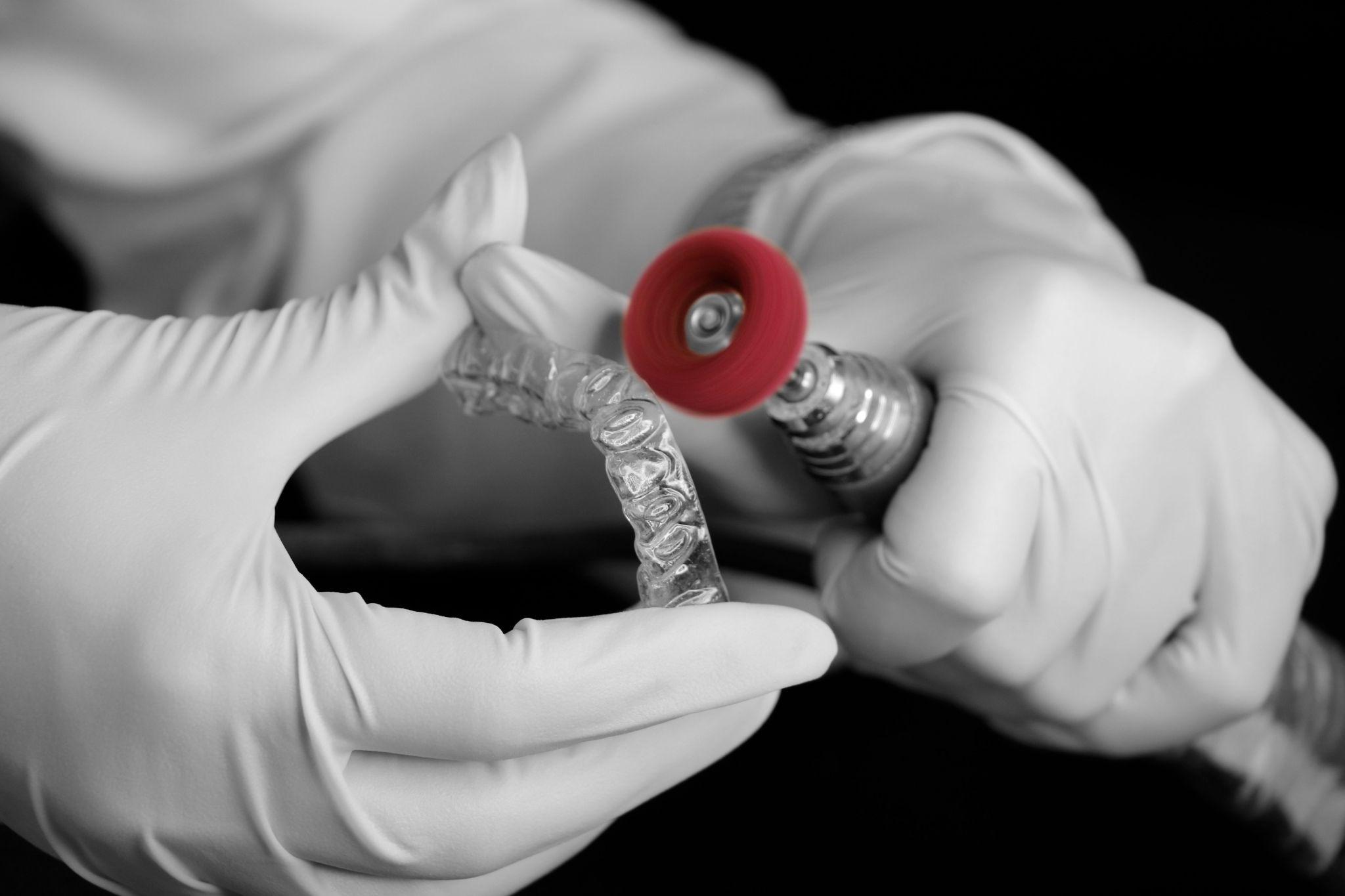
Getting your braces removed is an exciting milestone. After months or even years of treatment, you finally have the straight smile you’ve been working towards. However, many patients are surprised to learn that braces removal isn’t the end of orthodontic treatment.
The next step is wearing a retainer.
A common question orthodontists hear is, “How long after braces do I have to wear retainers?”
The answer varies from person to person, but one thing is certain: wearing your retainer as instructed is one of the most important steps in maintaining your new smile. Without it, your teeth can gradually shift back towards their original positions—a process known as orthodontic relapse.
Let’s explore why retainers matter and how long you should expect to wear them.
Why Do You Need Retainers After Braces?

Braces work by applying gentle, continuous pressure to move teeth into their ideal positions. While your teeth may look perfectly aligned once the braces come off, the surrounding bone, gums, and ligaments need time to adapt to these new positions.
One important structure involved is the periodontal ligament, which connects each tooth to the surrounding bone. This ligament has a natural tendency to pull teeth back towards where they originally were.
At the same time, the bone around your teeth continues to remodel after orthodontic treatment. Until these tissues have fully stabilised, your teeth remain more susceptible to movement.
Think of it like straightening a young tree using stakes. Even after the tree appears straight, it still needs support until it becomes stable on its own. Similarly, retainers provide that support while your teeth and surrounding tissues settle.
So, How Long Do You Have to Wear Retainers?
The honest answer is:
There isn’t a one-size-fits-all timeline.
Your orthodontist will recommend a wearing schedule based on your treatment, bite, age, and individual risk of relapse.
However, a typical recommendation looks like this:
| Time After Braces | Recommended Retainer Wear |
| First week | Nearly full-time (remove only for eating and brushing) |
| First 3–6 months | 20–22 hours per day |
| After 6 months | Night-time wear only |
| Long term | Night-time wear indefinitely |
Many people are surprised by the last recommendation.
Today, many orthodontists advise patients to continue wearing their retainers at night for life. While this may sound excessive, it reflects what research and clinical experience have shown: teeth naturally continue to move throughout life, even if you’ve never had braces.
Wearing a retainer a few nights each week—or as advised by your orthodontist—can help preserve your orthodontic results for many years.
Why Do Teeth Move Even Years After Braces?
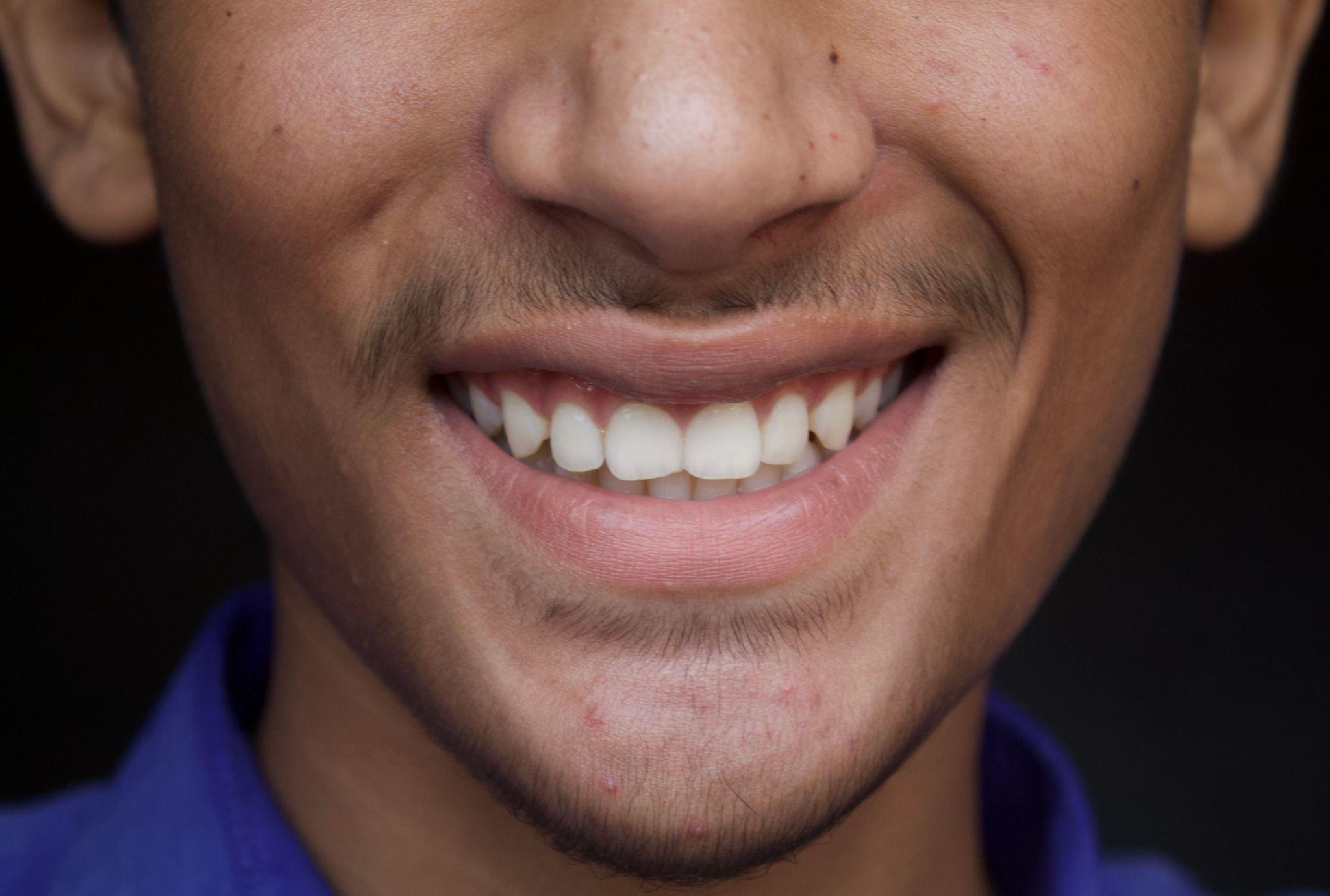
Many people assume that once braces are removed, their teeth will stay perfectly straight forever. Unfortunately, that’s not how our bodies work.
Several natural factors contribute to tooth movement over time.
Natural Ageing
As we age, subtle changes occur in our jaws and facial structures. Even adults who have never worn braces may notice slight crowding of their lower front teeth over the years.
Bone Remodelling
Bone is living tissue that constantly renews itself. This ongoing remodelling can allow teeth to shift gradually throughout life.
Chewing and Daily Forces
Everyday activities such as chewing, swallowing, and speaking place small forces on your teeth. Over many years, these forces can contribute to minor tooth movement.
Teeth Grinding (Bruxism)
Patients who clench or grind their teeth may experience additional pressure that can influence tooth position over time.
Wisdom Teeth
Many people believe wisdom teeth push the front teeth together and cause crowding. However, current scientific evidence suggests that wisdom teeth are not considered a major cause of crowding. Even people without wisdom teeth can experience natural tooth movement as they age.
What Happens If You Stop Wearing Your Retainer?

Missing one night occasionally is usually not a problem. However, consistently forgetting to wear your retainer can allow your teeth to move.
Depending on how long you’ve stopped wearing it, you may notice:
- Small gaps appearing between teeth
- Crowding, particularly of the lower front teeth
- Changes in your bite
- Your retainer feeling tight
- Your retainer no longer fitting at all
If your retainer becomes too tight or no longer fits comfortably, don’t try to force it into place. Contact your orthodontist as soon as possible. Early intervention may prevent more significant tooth movement and reduce the need for further orthodontic treatment.
Types of Retainers
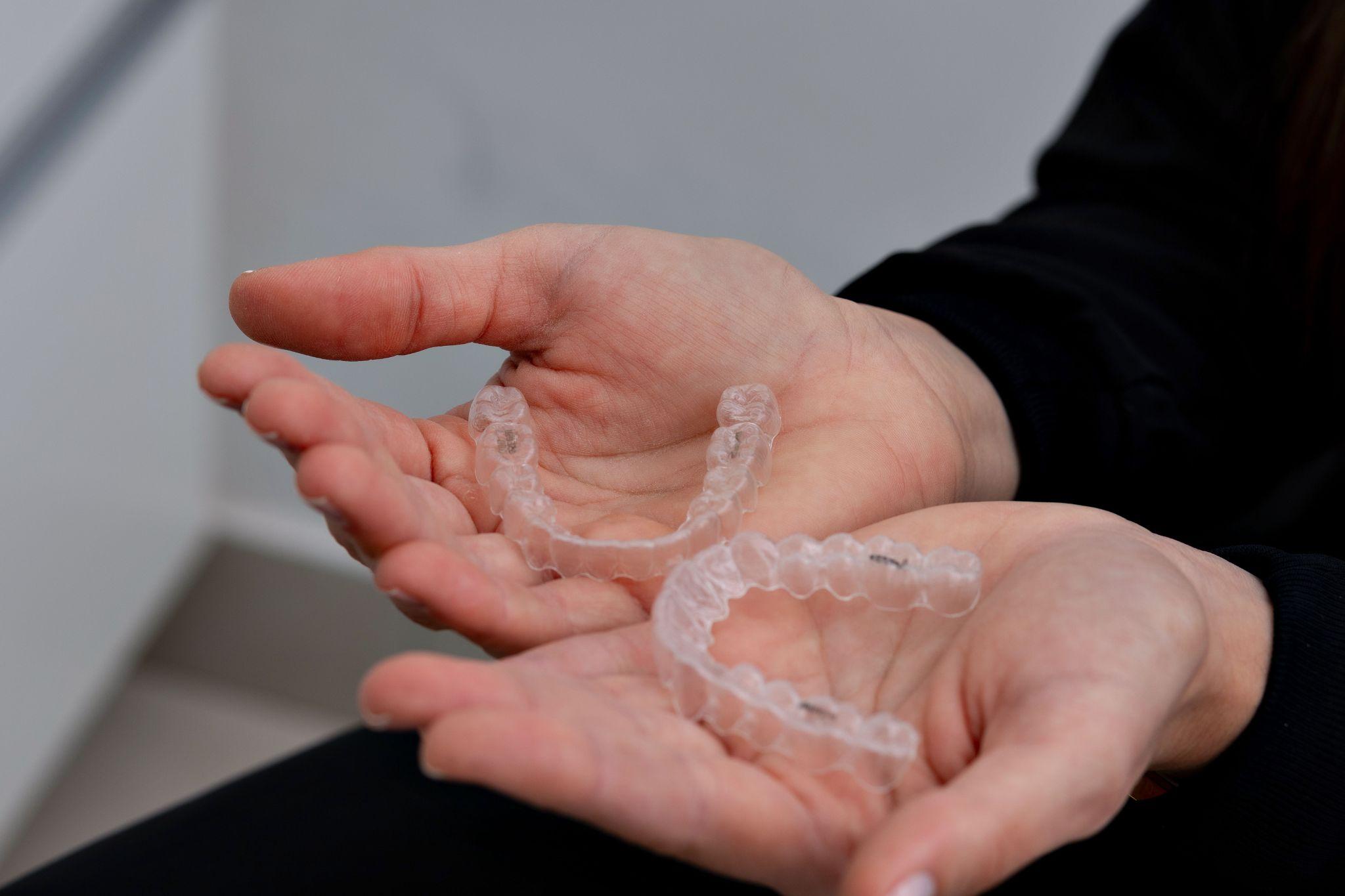
Not all retainers are the same. Your orthodontist will recommend the most suitable option based on your individual needs.
1. Hawley Retainer
The Hawley retainer consists of an acrylic base with a metal wire across the front teeth.
Advantages
- Durable and long-lasting
- Can be adjusted by your orthodontist
- Allows natural settling of the bite
- Easy to repair in many cases
Disadvantages
- Metal wire is visible
- Slightly bulkier than clear retainers
- May take longer to get used to
2. Clear Plastic Retainers (Essix Retainers)
These transparent retainers fit snugly over your teeth and are one of the most popular options today.
Advantages
- Nearly invisible
- Comfortable to wear
- Custom-made for an accurate fit
- Popular among adults and teenagers
Disadvantages
- May crack or wear out over time
- Can become stained if not cleaned properly
- Usually requires replacement every few years
3. Fixed (Bonded) Retainers
A fixed retainer is a thin wire bonded to the back of the front teeth, usually on the lower teeth.
Advantages
- Works continuously without needing to remember to wear it
- Invisible from the front
- Particularly helpful for patients at higher risk of relapse
Disadvantages
- More difficult to clean around
- Can become loose or detach
- Requires regular monitoring
- Can be used for retention of front teeth only
- Some patients may still need a removable retainer as well
How to Care for Your Retainer
Proper care helps your retainer last longer and keeps it hygienic.
Here are some simple tips:
- Clean your retainer every day using a soft toothbrush without using toothpaste which might block your view
- You may use toothpaste during second round of cleaning if you want the minty taste
- Avoid using hot or boiling water, as heat can warp plastic retainers.
- Remove your retainer before eating or drinking anything other than plain water.
- Store it safely in its protective case when not in use.
- Keep it away from pets—dogs, in particular, often chew retainers.
- Bring your retainer to your dental reviews so your orthodontist can check that it still fits well.
A well-maintained retainer is more comfortable to wear and less likely to require replacement.
Signs Your Retainer Needs Attention
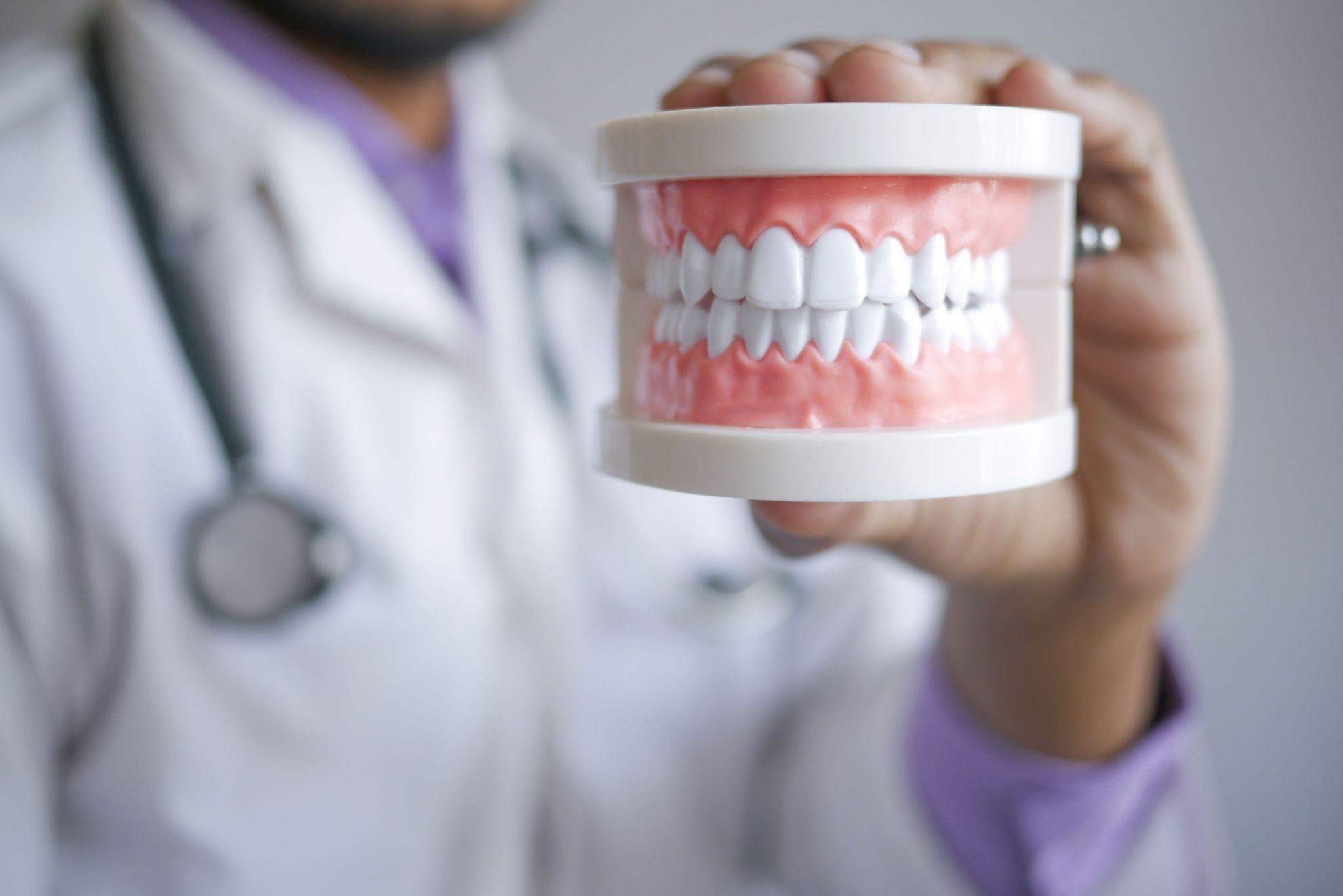
You should contact your orthodontist if you notice any of the following:
- It no longer fits properly
- It feels much tighter than before
- It has cracked or broken
- A bonded wire has become loose
- It has an unpleasant odour despite cleaning
- You notice your teeth beginning to shift
Replacing or repairing a retainer promptly can help prevent unwanted tooth movement.
Frequently Asked Questions
1. Can I stop wearing my retainer after one year?
In most cases, no. Although your orthodontist may reduce the amount of time you need to wear it, long-term nighttime wear is generally recommended to help maintain your results.
2. What if I forgot to wear my retainer for one week?
If it still fits comfortably, start wearing it again as instructed. If it feels very tight or doesn’t fit properly, arrange an appointment with your orthodontist.
3. Do fixed retainers last forever?
No. Bonded retainers can loosen, break, or detach over time. They should be checked during your routine dental visits.
4. Will my teeth definitely move if I don’t wear my retainer?
Most people experience some degree of tooth movement over time without retainers. The amount varies between individuals, but wearing your retainer consistently gives you the best chance of maintaining your orthodontic results.
5. Can I eat while wearing a removable retainer?
No. Remove your retainer before eating or drinking anything other than plain water to avoid damaging or staining it.
When Should You See Your Orthodontist?