

Orthodontics has often been associated with straight teeth and a pleasing smile, but its influence on wider health has been increasingly recognised. In Singapore, where preventive healthcare is strongly emphasised and where diet, school demands, and professional expectations shape daily life, orthodontic care is being understood as more than a cosmetic enhancement, improved breathing in some patients, and greater psychological confidence. When these effects are considered together, a meaningful connection between orthodontics and overall health is revealed.
It is useful to begin by noting that the mouth is not an isolated space. It is a living part of the body’s ecosystem, and changes in oral health are known to influence general well-being. When orthodontic treatment is thoughtfully planned and carefully supervised, the benefits are not restricted to the appearance of teeth. Improvements are felt in daily comfort, food choices, sleep quality, and social participation. In Singapore’s dense urban environment where hawker centre favourites are enjoyed, long work hours are common, and high educational standards are maintained these practical advantages are strongly valued by families, students, and working adults alike.

Image from Freepik.com
Why Orthodontics Matters to Health
Simple mechanics show why orthodontics is important to health. Crowded, crooked, or protruding teeth create areas that are difficult to brush and floss. Food debris and plaque are trapped around these irregularities, and gums are more easily irritated. Over time, inflammation may develop and periodontal support can be compromised. Correcting alignment improves access for brushing and flossing, removes plaque more effectively, and helps keep gums healthy. In this way, orthodontic treatment acts indirectly as a preventive health measure, because it makes consistent home care more achievable day after day.
In Singapore, the link between diet and oral hygiene is especially relevant. items such as bubble tea, kaya toast, and pineapple tarts contain sugars or starches that tend to adhere to enamel. Crowded or rotated teeth hold residues longer, increasing acid exposure. With better alignment, cleaning after meals becomes more efficient and the accumulation of plaque is reduced. The result is that, across months and years, the risk of decay and gum disease is lowered.
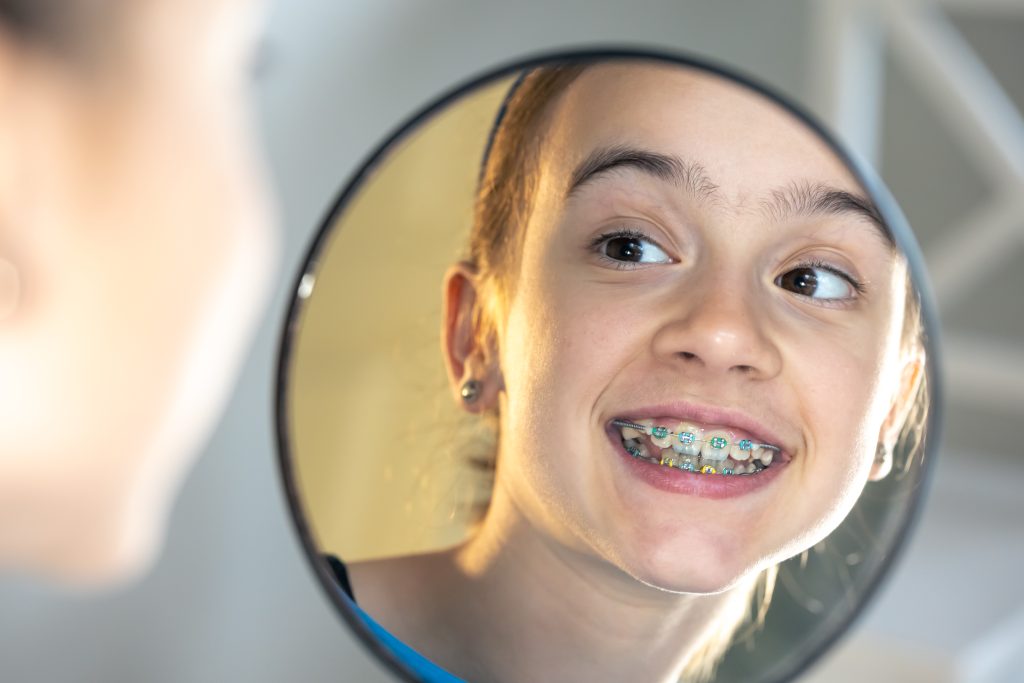
Oral Health and the Body’s Inflammatory Load
It has been widely accepted that chronic gum inflammation does not only affect the mouth. Researchers have observed that long-standing periodontal disease is associated with higher systemic inflammatory markers. In people who already live with chronic conditions, a persistent inflammatory burden may complicate overall health. Orthodontics therefore contributes to a healthier baseline by reducing the niches where plaque can settle and mature.
The relevance to Singaporean families is practical. Elderly parents who support their own health independence can benefit when chewing is comfortable and oral tissues remain calm. Working adults who balance busy schedules may find that short, efficient cleaning is more realistic when teeth are straightened. Teenagers who are preparing for examinations can maintain oral care with less frustration when crowded areas have been opened up. Over time, lower gum bleeding contribute to a more comfortable routine, and the mouth feels healthier day to day.
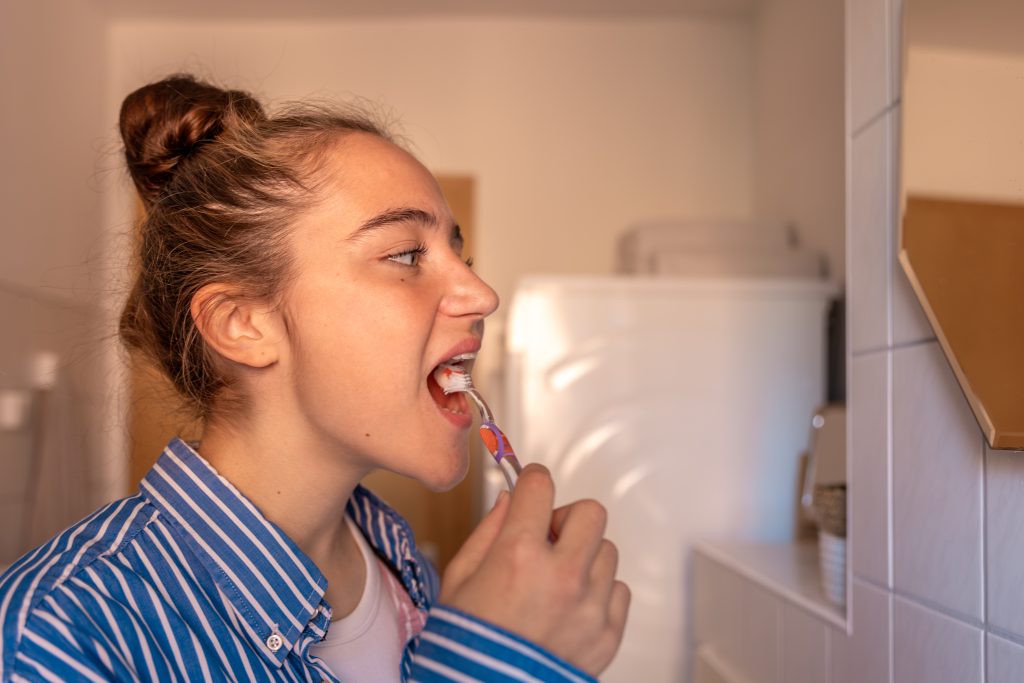
Nutrition, Chewing Efficiency, and Digestion
Food is chewed more thoroughly when upper and lower teeth meet in a coordinated way. If the bite is deep, open, or shifted to one side, chewing efficiency is reduced and larger pieces may be swallowed. The digestive system is then asked to compensate. In a Singapore, where diets are diverse and include vegetables, grains, seafood, and meats that require patient mastication, a functional bite is helpful. When alignment and bite are improved through orthodontics, food can be broken down more completely, and digestion is supported from the outset.
The benefits extend to daily choices. Children may be more willing to eat crunchy fruit and vegetables when biting feels secure. Adults who enjoy hawker food favorites may find that tough textures are handled with greater comfort, so variety of dishes can be chosen without worry. People with sensitive stomachs often feel less bloating when they chew more thoroughly. Orthodontics isn’t a digestive treatment, but an efficient bite can noticeably improve everyday comfort.
Breathing, Airway Considerations, and Sleep Quality
Although orthodontics is not a cure for sleep disorders, the shape and position of the jaws and dental arches are known to influence tongue posture and airway space. In some children with narrow arches and chronic mouth breathing, dental expansion and guidance of jaw growth are used as part of a comprehensive plan that includes medical evaluation. Adults with crowding and retrusive jaws sometimes pursue orthodontics alongside other therapies to support easier nasal breathing and quieter sleep.
In Singapore’s hardworking culture, the value of restorative sleep is well appreciated. Foggy mornings and mid‑day fatigue are common complaints in individuals who do not sleep soundly. Better nightly rest then supports mood, focus, productivity, and safe

Speech, Articulation, and Social Participation
Clear speech depends on precise coordination between the lips, tongue, and teeth. In multilingual Singapore, clear articulation supports classroom participation, oral examinations, presentations, sales work, and customer service. After orthodontic correction, smoother pronunciation is often reported, and confidence rises in social and professional settings. The change is not only aesthetic; it is functional and daily.
These gains are felt in small moments. A student may volunteer an answer instead of staying silent. A teacher may speak for extended periods without fatigue because the bite is supportive and the lips seal comfortably. A professional may attend a networking event and smile without hesitation. Over time, opportunities are more willingly embraced when communication feels effortless and the smile is trusted.
Psychological Well‑Being and Confidence
The mind‑body link is relevant here. A smile that feels harmonious with one’s face has been associated with higher self‑esteem and a more positive self‑image. In Singapore, where first impressions are quickly formed in schools, interviews, and client meetings, a confident smile is an asset. After orthodontic treatment, many patients report that they feel more at ease in photographs and more comfortable speaking to groups. These reactions are not superficial; they reflect a sense of agency in personal presentation and a quieter background of self‑consciousness.
Teenagers who hesitated to join co‑curricular activities may step forward more readily. Adults who previously avoided video calls may now keep cameras on without concern. In each example, social participation is strengthened, and the psychological benefits inform quality of life far beyond the dental chair.

Image from Freepik.com
Temporomandibular Comfort and Musculoskeletal Balance
When bites are unbalanced, the jaw joints and facial muscles may be placed under strain. While orthodontics is not a universal solution for jaw discomfort, improvement in occlusal relationships can reduce certain patterns of overload. A deep bite that traps soft tissues, a unilateral crossbite that pushes the jaw to one side, or an edge‑to‑edge incisor contact that chips enamel can be addressed with alignment and bite correction. When the teeth meet in a more even and supportive way, chewing muscles are often used more symmetrically, and local discomfort may settle.

Image from Freepik.com
Special Populations: Children, Teens, Adults, and Seniors
In children, monitoring of jaw growth is used to guide timing. Early expansion may be advised when arches are narrow and crowding is severe, so that eruption of permanent teeth is supported. Space maintenance may be planned when baby teeth are lost early. Functional patterns such as thumb sucking, low tongue posture, or chronic mouth breathing are addressed in partnership with parents, teachers, and, where appropriate, medical colleagues. In this way, orthodontics becomes part of a team effort to set a healthy trajectory for growth.
Teenagers often pursue treatment during active growth because changes in bone and soft tissue are more readily accommodated. In Singapore schools, treatment schedules are commonly coordinated with examinations and co‑curricular commitments, and elastics wear is encouraged with simple, repeatable routines. Ceramic braces and clear aligners are popular because they blend discreetly with school photographs and public events.
Adults form a rapidly growing group. In Singapore’s professional culture, discreet appliances are appreciated, and treatment is planned around work travel and client meetings. Many adults seek orthodontics to manage crowding before gum problems become more difficult, or to align teeth before implants or veneers are provided. Seniors also benefit when alignment is improved prior to prosthetic work. When spaces are properly created and roots are positioned favorably, tooth replacements are placed more predictably and are easier to maintain. In all age groups, the long‑term value lies in hygiene access, comfort, and function.

Image from Freepik.com
Dietary Guidance in the Singapore Context
Daily eating patterns influence orthodontic success. In Singapore, braces‑friendly meals can be easily composed from common hawker options: soft fish porridge, steamed tofu with minced meat, yong tau foo with tender vegetables, and braised egg with rice. Spicy sauces are enjoyed widely; they can be paired with softer textures to reduce unnecessary chewing strain during early alignment. Crunchy foods such as hard nuts, crackling, and very sticky sweets are commonly placed aside to protect brackets and wires.
Hydration is a simple ally. Plain water is carried in bottles to school and work, and frequent rinsing is used after sweetened drinks. Reusable straws are sometimes chosen by patients who find that they reduce direct contact with the front teeth when sugar‑containing beverages are consumed. These small routines, repeated across months, support cleaner enamel and calmer gums while treatment proceeds.
Oral Microbiome, Saliva, and Habit Support
Healthy saliva flow helps to buffer acids, clear food particles, and deliver minerals that protect enamel. Crowded teeth impede saliva access to narrow niches, while aligned teeth are bathed more evenly. In Singapore’s humid climate, air‑conditioned environments are common in offices and classrooms, and mild dryness may be noticed by some individuals. Sugar‑free mints, frequent water sips, and avoidance of smoking are recommended to support saliva. Orthodontic treatment does not change saliva chemistry directly, but by eliminating plaque traps and facilitating smooth cleaning, a friendlier environment for beneficial bacteria is created.
Travel toothbrushes are kept in lockers or desk drawers. These small, practical adaptations make a large difference to gum comfort in the first months of treatment.
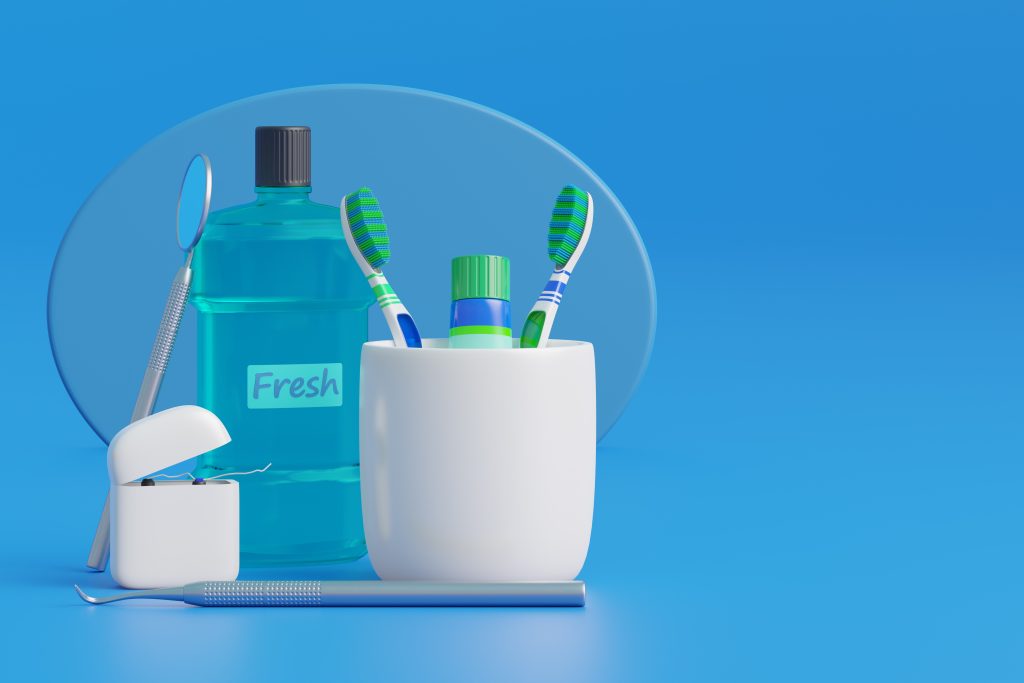
Image from Freepik.com
Retention, Stability, and Long‑Term Health
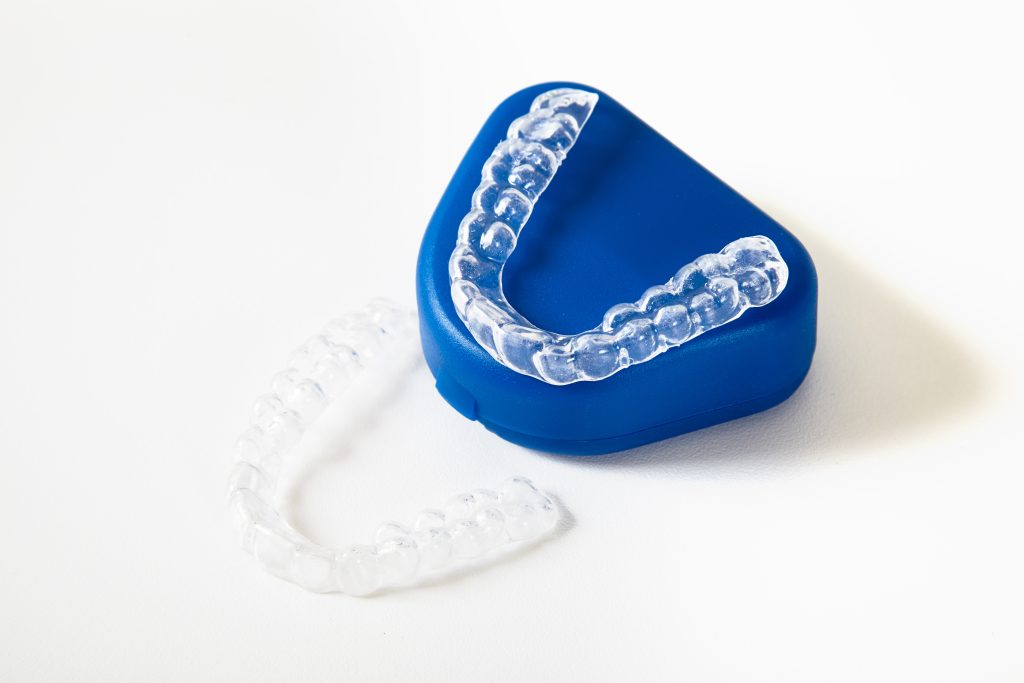
After active orthodontic treatment, retention is essential. Teeth that have been moved through bone and soft tissue are influenced by muscle patterns and daily function, so retainers are worn to hold the new positions while tissues reorganise. In Singapore, a common routine is to wear retainers full‑time at first (except during meals and cleaning), followed by night‑time wear once stability has been established.
The contribution to overall health is straightforward. A bite that remains aligned continues to be easy to clean, speech remains clear, chewing stays efficient, and confidence is maintained. By protecting the outcome with consistent retention, the benefits of treatment are extended across years and decades, and the investment of time, effort, and cost is respected.
Conclusion
A strong connection between orthodontics and overall health has been described. By enabling thorough cleaning, reducing gum inflammation, supporting efficient chewing, assisting clearer speech, and contributing to calmer sleep in selected cases, orthodontic care influences daily comfort and long‑term well‑being. In Singapore’s health‑conscious, fast‑moving society, these benefits are felt across school, work, and family life. When treatment is planned carefully and retention is respected, the results are not only seen in the mirror but are also experienced in the body’s ease and the mind’s quiet confidence. In that sense, orthodontics is best understood not as a luxury, but as a practical contributor to a healthier, steadier, and more engaging life.