

In the context of orthodontic treatment, the majority of patients in Singapore tend to focus on the appliances being worn be it braces or aligners and the regular appointments scheduled with the orthodontist. However, it is often overlooked that diet plays a critical and ongoing role in determining the success of such treatment. Throughout the course of orthodontic care, dietary choices will influence not only the condition of the teeth and gums, but also the rate and comfort with which teeth are moved into their new positions. Whether one is a student in school, a working adult navigating hawker centre meals, or a parent managing a child’s braces routine, the importance of diet should not be underestimated. Orthodontic appliances function more efficiently when they are supported by proper nutritional choices, careful eating habits, and a basic awareness of foods that should be avoided. In this article, the influence of diet on treatment outcomes will be explored, and guidance will be offered to ensure that orthodontic goals are achieved smoothly and comfortably.

Photo from Freepik.com
Why Diet Plays a Vital Role in Orthodontics
When teeth are moved by orthodontic appliances such as braces or aligners, pressure is applied gradually over a period of months or years. This pressure causes bone remodelling, which allows the teeth to shift to new positions. For this process to occur effectively, the surrounding tissues particularly the bones and gums must be kept in optimal condition. These tissues are nourished by the nutrients consumed on a daily basis. If a healthy and balanced diet is maintained, the movement of teeth can be supported by a strong foundation. On the other hand, when poor dietary habits are followed, inflammation of the gums, weakening of the bone, and other complications can be expected to develop, resulting in delayed treatment and avoidable discomfort. In Singapore, where food is deeply tied to cultural identity and social interactions, dietary compliance during orthodontic treatment can prove especially challenging.

Photo from Freepik
Foods That Should Be Avoided During Orthodontic Treatment
Throughout the course of treatment, orthodontic appliances can be damaged if unsuitable foods are consumed. In Singapore, where the availability of crunchy, sticky, and hard foods is widespread, it is not uncommon for brackets to be dislodged or wires to be bent due to food-related incidents. Items such as murukku, bak kwa, and fried peanuts have been known to exert excessive pressure on brackets, leading to breakages. Similarly, sticky traditional desserts like kueh or caramelised sweets can become lodged in brackets and wires, making cleaning difficult and increasing the risk of plaque accumulation. When such issues are encountered, orthodontic progress is usually disrupted, as appointments must be rescheduled for repairs and appliance adjustments. Furthermore, sugary drinks such as bubble tea, sodas, and even certain packet fruit juices are often consumed without the trays being removed, particularly in aligner users. When sugar is trapped between the aligner and the enamel surface, enamel decalcification may be expected to occur, leaving permanent white spots on the teeth. By recognising and avoiding these common foods and beverages, much of the damage associated with treatment can be prevented.

Photo from Freepik.com
Healthier Local Alternatives That Are Braces-Friendly
Although several popular dishes must be avoided, a wide variety of local options can still be enjoyed during treatment. Many Singaporean meals contain soft textures and can be easily chewed even after tightening appointments. Dishes such as fish porridge, minced pork noodles (with soft toppings and without fried lard), or soft-boiled eggs served with kaya toast (crusts removed) have been frequently recommended. In many cases, fruits such as papaya, watermelon, or steamed apples are substituted in place of crunchy or fibrous fruits like guava and pineapple. For snacks, yoghurt, tau huay (soy pudding), and homemade smoothies have been embraced by patients due to their gentle texture and nutritional value. By making informed choices and modifying meals slightly, Singaporean favourites can still be enjoyed safely throughout the course of orthodontic treatment.
Nutrients That Support Tooth Movement and Gum Health
Tooth movement during orthodontic treatment is a biological process that relies on bone remodelling and healthy connective tissues. This process is heavily influenced by the presence of key nutrients in the body. If a diet is maintained that is deficient in these nutrients, orthodontic progress may be compromised. In particular, calcium plays a critical role in supporting alveolar bone structure, which is the bone surrounding the roots of the teeth. In Singapore, calcium can be obtained from common local foods such as tofu, soy milk, sardines, and leafy greens like chye sim and kai lan. Vitamin D, which facilitates the absorption of calcium, is often obtained from eggs, fortified dairy products, and limited sun exposure though some individuals may require supplementation. Vitamin C must also be highlighted due to its role in maintaining healthy gum tissue and reducing inflammation. It is commonly found in fruits such as oranges, kiwis, guava, and vegetables like broccoli and bell peppers. A diet that is rich in these nutrients will allow orthodontic appliances to work more efficiently and help healing to occur more rapidly after adjustments.
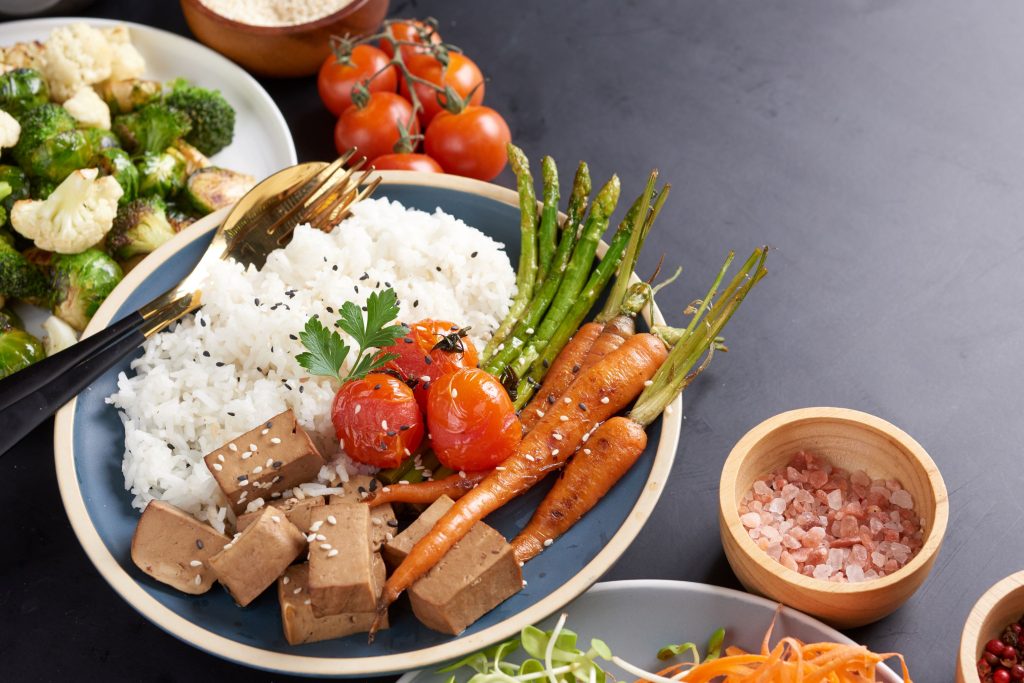
Photo from Freepik.com
How Snacking Habits Affect Aligner Treatment
When aligner systems such as Invisalign are prescribed, it is essential that the trays are worn for 20 to 22 hours a day. However, this recommendation is often compromised by frequent snacking, prolonged meals, and consumption of beverages that require tray removal. It has been commonly observed in Singapore that aligners are removed during kopi breaks, bubble tea sessions, and long hawker centre lunches, often without proper cleaning before reinsertion. Such behaviour results in reduced aligner wear time, plaque build-up, and possible decay beneath the trays. Patients have reported that aligners are left out longer than intended due to social gatherings or snacking at work or school, reducing the effectiveness of the treatment. To ensure compliance, it is advisable for meals and snacks to be planned in advance, and for water to be the only beverage consumed while trays are being worn. The practice of brushing or rinsing immediately after meals before reinserting trays is also strongly encouraged.
Sample Braces-Friendly Meal Plan in Singapore Context
A structured and braces-friendly diet can be maintained without sacrificing enjoyment or variety, especially when common local foods are modified slightly. The following meal plan has been created to reflect typical options available in Singapore and may be adapted according to individual preferences and dietary restrictions. In the morning, a traditional breakfast of soft-boiled eggs served with lightly steamed kaya toast and a cup of warm soy milk may be consumed. For a mid-morning snack, low-sugar yoghurt paired with soft papaya or banana slices would be appropriate. At lunchtime, fish soup with rice or minced pork congee can be selected, with soft chye sim or spinach on the side. During the afternoon, tau huay or a homemade smoothie blended with mango, yoghurt, and oats may be enjoyed. Dinner can consist of steamed tofu, soft-cooked chicken, mashed pumpkin, and steamed rice, followed by soft fruit like watermelon. These options have been found to provide the necessary nutrition while minimising stress on the orthodontic appliances.
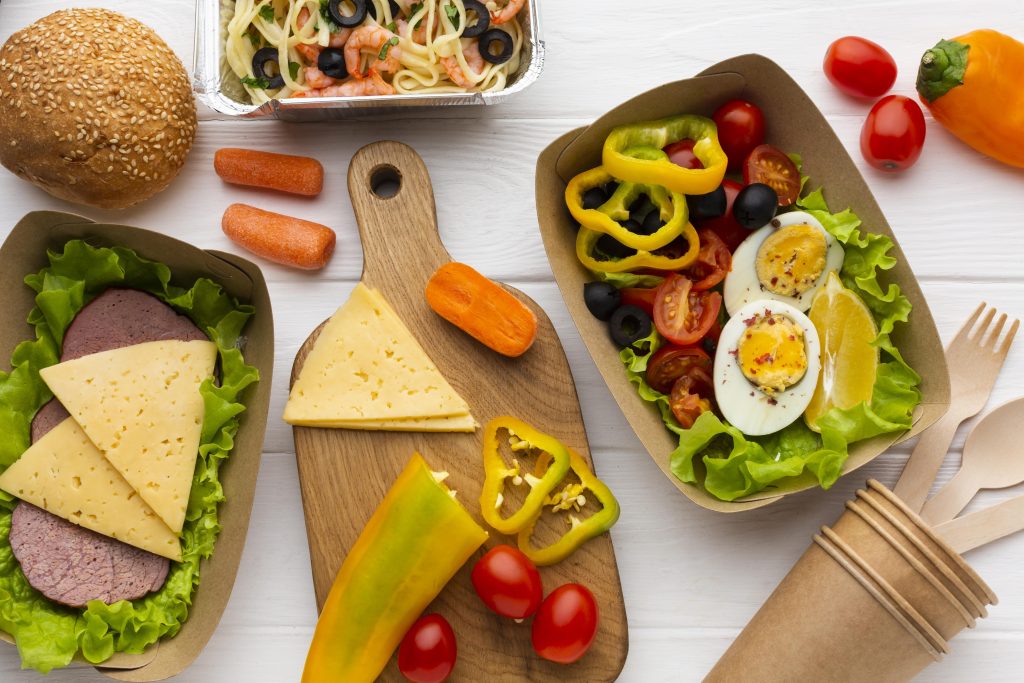
Photo from Freepik.com
Guidance for Parents Managing a Child with Braces
In many orthodontic cases involving children and adolescents, long-term dietary compliance may only be achieved with parental involvement. It has been observed that children may disregard food restrictions, especially when eating with friends at school or when purchasing snacks on their own. To support the treatment process, parents are encouraged to prepare brace-safe meals and lunchboxes at home. Sandwiches may be made with soft bread and cut into small portions, while snacks like sliced fruits, soft cheese, and boiled eggs may be included. Parents are also advised to monitor brushing and flossing, particularly after meals, and to help reduce access to hard, crunchy, or sticky snacks at home. When these strategies are implemented consistently, the likelihood of treatment success can be greatly increased.

Photo from Freepik.com
Frequently Asked Questions (FAQs)
Q: Can durian be consumed while wearing braces?
A: Yes, durian is soft and does not pose a threat to brackets. However, brushing should be done shortly after consumption to prevent fibre from sticking to appliance surfaces.
Q: Are festive snacks like pineapple tarts and love letters safe?
A: Unfortunately, these are usually too hard or sticky and may cause breakages. It is best to opt for soft alternatives like steamed nian gao or kueh lapis.
Q: Is chewing gum allowed with aligners?
A: No. Chewing gum may distort aligners and increase risk of trapping sugar and bacteria under the trays. It should be strictly avoided.
Consequences of Ignoring Dietary Guidelines
When dietary advice is ignored during orthodontic treatment, consequences tend to manifest in both mechanical and biological forms. Bracket breakage and wire bending are frequently reported following consumption of hard or chewy foods. In addition, poor oral hygiene combined with high sugar intake often leads to gingivitis and white spot lesions permanent marks caused by decalcification. These lesions are most noticeable when braces are finally removed, often marring the results of months or years of treatment. Aligner wearers who fail to remove their trays during snacks and drinks often develop decay beneath the plastic, sometimes requiring fillings or even root canal treatment. Such outcomes are not only distressing but may prolong treatment duration and incur additional costs.

Photo from Freepik.com
Let Your Diet Support Your New Smile
Orthodontic treatment has often been described as a journey that involves dedication, consistency, and mutual cooperation between the patient and the care provider. Although appliances are adjusted and reviewed by professionals, the daily responsibility of protecting one’s progress lies with the patient. By maintaining a brace-friendly diet that is rich in essential nutrients and low in risk-causing foods, teeth can be expected to move more efficiently, with less discomfort and fewer setbacks. In the Singapore context, dietary adjustments need not be overly restrictive. With a little planning and creativity, local favourites can be enjoyed in a way that supports not hinders orthodontic treatment. At About Braces, it is believed that patients who understand the role of diet in treatment success are more likely to experience smoother journeys and more rewarding results.
The Emotional and Psychological Side of Dietary Compliance
It has been observed that orthodontic patients particularly adolescents may experience frustration or social discomfort when asked to restrict their diets. In group settings, when peers consume crunchy snacks or sweets, patients with braces may feel excluded or tempted to bend the rules. This emotional strain can be especially pronounced during festive periods, school events, or birthday parties where food is a central element. To manage these situations, it is recommended that patients be included in the process of meal planning and food selection. By being given a sense of control and understanding the reasoning behind restrictions, they are more likely to stay committed to the treatment plan. Some families have reported success by preparing alternative treats that match the festive theme but follow the dietary guidelines. This form of empowerment can foster responsibility, emotional maturity, and long-term oral health habits.

Photo from Freepik.com
How Treatment Results Are Enhanced by a Supportive Diet
Orthodontic treatment outcomes have been shown to improve significantly when patients adopt a diet that aligns with their treatment goals. Fewer emergency visits, reduced instances of broken appliances, and lower rates of decay contribute to a smoother and more predictable treatment timeline. When brackets are not being dislodged and wires are not bent, planned adjustments can be made on schedule, thereby allowing the orthodontic movement to proceed without interruption. In addition, when teeth and bone structures are nourished with essential nutrients, healing responses are improved and discomfort is reduced. Patients who follow these dietary principles are more likely to experience a sense of progress and satisfaction, reinforcing their commitment. In clinical settings across Singapore, a noticeable difference has been reported in the outcomes of patients who maintain dietary compliance compared to those who do not. Thus, diet should be seen not only as a supportive element, but as an integral component of successful orthodontic treatment.