

One of the most common questions patients ask us before starting orthodontic treatment is, “How long will my braces take?” It is a very reasonable concern. Braces are not a one-time procedure but a process that takes place over months, so it is natural to want a clear idea of the timeline before committing.
The honest answer is that it depends on your individual case. However, as a general guide, most braces treatments in Singapore take about 12 to 24 months. Some patients may complete treatment earlier, while others may require a longer duration depending on their dental condition and how the teeth respond to movement.
It is also important to understand that orthodontic treatment is not just about making teeth look straight. The goal is to achieve a healthy bite and a stable result that will last for many years. Because of this, treatment is carefully planned and carried out in stages, rather than rushed. Moving teeth too quickly can lead to complications, so a steady and controlled approach always gives better long-term outcomes.
Average Braces Treatment Time in Singapore
For most patients, braces treatment falls within a predictable range, although this varies from person to person. Mild cases, such as slight crowding or small gaps, can be completed in about 6 to 12 months, as only minor alignment is needed.
Most patients fall into the average category, where treatment takes around 12 to 18 months. These cases involve moderate crowding, spacing, or mild bite issues, and require gradual alignment and bite correction.
More complex cases may take 18 to 24 months or longer. This includes severe crowding, cases requiring extractions, or bite problems such as overbite, underbite, or crossbite. These situations often require treatment in stages, which naturally takes more time.
What does research say about treatment duration?
|
Source (Singapore) |
Type of Data |
Average Duration |
Key Insight |
|
National Dental Centre Singapore |
Specialist centre guideline |
2–3 years |
Typical duration for fixed braces (National Dental Centre Singapore) |
|
SingHealth (NDCS clinical advice) |
Clinical guidance |
12 months to 3 years |
Duration depends on case complexity (HealthXchange) |
|
Singapore interceptive orthodontic study (SAGE journal) |
Local clinical research (1,300+ patients) |
~10.8 ± 6.8 months |
Shorter duration for simpler/interceptive cases (Sage Journals) |
|
Private dental clinics (Singapore data) |
Clinical practice data |
12–30 months |
Matches real-world case variation (Ashford Dental) |
What this means for patients
When we combine both research data and real-world clinical experience, a clear pattern emerges:
- Most patients take about 18–24 months
- The scientific average is around 20–25 months
- Simpler cases can be shorter, while complex cases may take longer
This aligns closely with what we see in everyday practice. While it is natural to want faster results, orthodontic treatment follows biological limits. Teeth need time to move safely through bone, and rushing the process can lead to complications or unstable results. For this reason, the goal is always to balance efficiency with safety, so that your final result is not only straight but also healthy and long-lasting.
To give a clearer overview:
- Mild cases: about 6–12 months
- Average cases: about 12–18 months
- Complex cases: about 18–24 months (or longer)
Factors That Affect Treatment Duration
Several factors influence how long braces will take, and understanding these can help patients set realistic expectations and avoid unnecessary frustration during treatment.
Age of Patient
Age is one of the factors that can affect treatment speed. Younger patients, especially teenagers, tend to experience faster tooth movement because their bones are still growing and more adaptable. This makes it easier for teeth to respond to orthodontic forces. Adults, on the other hand, may have slightly denser bone, which can result in slower movement. However, the difference is usually not significant, and many adult patients complete treatment within a similar timeframe to younger patients.
Scientific studies have looked at whether younger patients finish treatment faster than adults. The findings are quite interesting:
|
Age Group |
Research Finding |
What It Means for Patients |
|
Adolescents vs Adults (systematic review, ~4,000 patients) |
No significant difference in overall treatment duration |
Adults can finish in similar time as teenagers (PMC) |
|
Adolescents vs Adults (clinical study) |
Both groups averaged ~2.5 years treatment time |
Age alone does not determine treatment length (PubMed) |
|
Biological differences (bone response study) |
Adults show slower tooth movement due to denser bone |
Movement may be slightly slower, but still effective (Nature) |
|
Growth-related advantage (review studies) |
Younger patients benefit from ongoing growth and easier correction |
Early treatment can sometimes reduce complexity (ResearchGate) |

Severity of Case
The complexity of the case plays a much larger role. Mild cases, where the teeth are only slightly misaligned, can often be corrected relatively quickly. In contrast, more complex cases require more time because multiple problems need to be addressed. For example, if a patient has severe crowding, space may first need to be created before the teeth can be aligned. If there is a bite issue, such as an overbite or underbite, additional steps are required to correct the relationship between the upper and lower jaws. These additional stages naturally extend the overall treatment time.
 Patient Compliance
Patient compliance is equally important. Treatment can be delayed if instructions are not followed properly. The most common factors that affect progress include:
- Not wearing elastics as instructed
- Missing or delaying appointments
- Frequently breaking brackets or wires
- Not wearing aligners long enough as instructed (for Invisalign patients)
 Braces vs Invisalign: Is There a Difference in Treatment Time?
Many patients are deciding between traditional braces and Invisalign, and a common question is whether one option is faster than the other. In reality, treatment time depends more on the complexity of the case than on the type of appliance used.
|
Aspect |
Braces (Fixed Appliances) |
Invisalign / Clear Aligners |
What It Means for Patients |
|
Average treatment duration |
~20–24 months |
~17–22 months |
Aligners may be slightly faster in selected cases |
|
Mild cases (simple alignment) |
Effective |
Often faster |
Invisalign can be faster in simple cases |
|
Moderate cases |
Similar duration |
Similar duration |
No major difference |
|
Complex cases (bite correction, extractions) |
More efficient and predictable |
May take longer or need refinements |
Braces usually preferred |
|
Treatment consistency |
Works continuously (fixed) |
Depends on wear time (20–22 hrs/day) |
Compliance is critical for aligners |

How Often Are Check-Ups Needed?
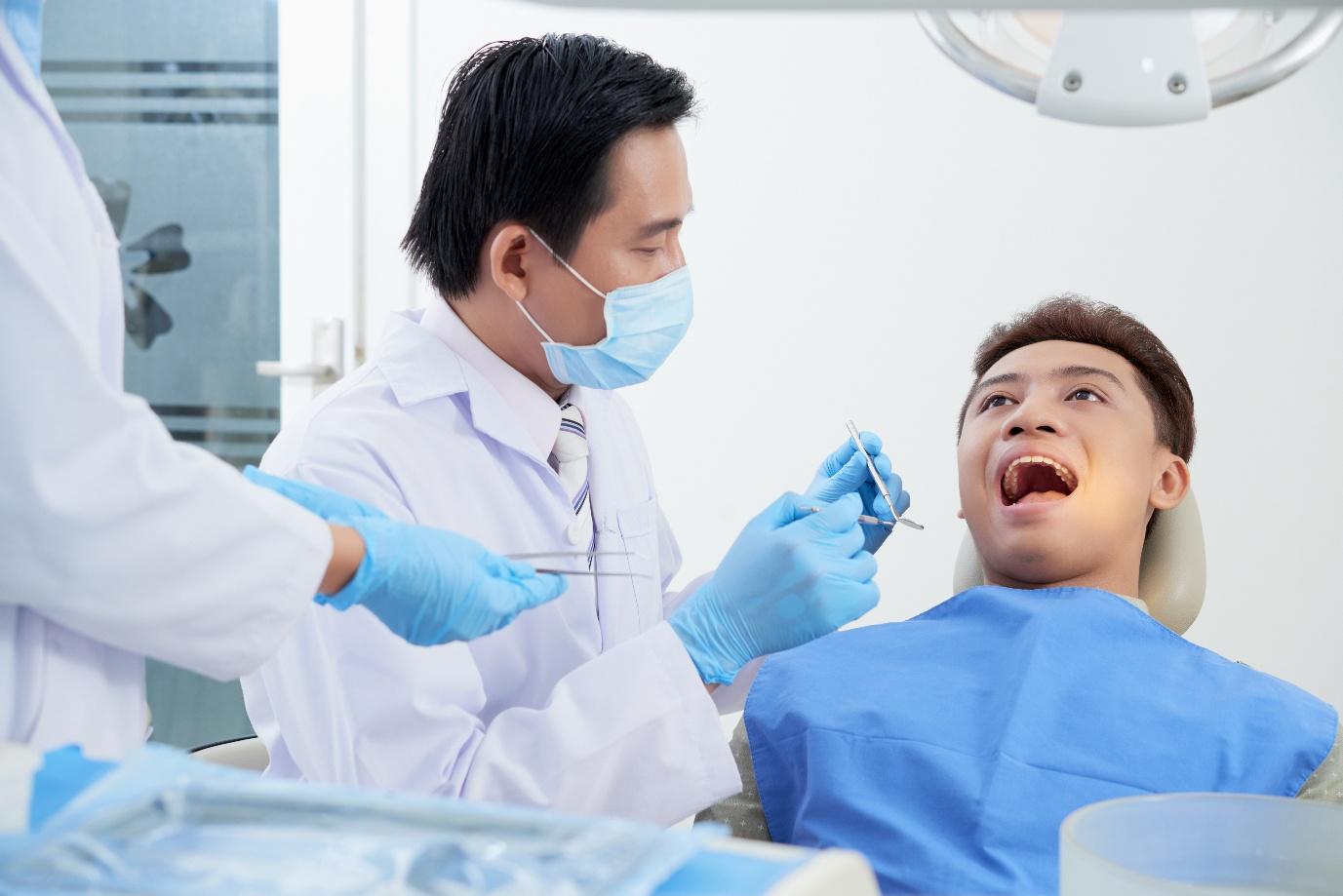
Regular check-ups are an essential part of orthodontic treatment and play an important role in ensuring that progress stays on track. For patients with braces, appointments are usually scheduled every 4 to 6 weeks. During these visits, adjustments are made to the wires and brackets to guide the teeth into their correct positions.
For patients using aligners, review appointments are also important to ensure that the teeth are moving as planned. At these visits, we check the fit of the aligners, monitor progress, and provide the next sets of aligners when appropriate.
Attending appointments regularly is crucial. Delaying or missing appointments can slow down treatment, as adjustments are needed to continue moving the teeth. In some cases, missed visits can also lead to minor issues that may require additional time to correct. By attending appointments as scheduled, patients can help ensure that treatment progresses smoothly and efficiently.
 What Should Patients Expect During Treatment?
Orthodontic treatment typically progresses through several stages, and understanding these stages can help patients feel more prepared and comfortable throughout the process.
Early Phase (First Few Weeks)In the early phase, which usually covers the first few weeks after braces are placed, patients may experience some soreness or pressure as the teeth begin to move. This is a normal response and usually settles within a few days as the mouth adjusts to the braces. During this period, patients may notice:
These symptoms are expected and will improve as the mouth adapts. Eating softer foods and maintaining good oral hygiene will help make this phase more comfortable. |
Middle Phase (Main Treatment Stage)The middle phase is where most of the visible changes take place. Teeth gradually become straighter, and spaces begin to close. Bite correction may also start during this stage, depending on the treatment plan. At this stage, patients may be required to:
This phase usually takes the longest and requires consistency. Patients who follow instructions closely will generally see smoother and faster progress. |
Final Phase (Finishing Stage)In the final phase, the focus shifts to fine-tuning the position of each tooth and ensuring that the bite is properly aligned. Although changes may be less obvious at this stage, it is a very important part of treatment. During this stage:
This stage ensures that the final result is not only straight but also stable and well-balanced. |

After Braces: Retainers Are Essential
Many patients assume that treatment is complete once the braces are removed, but this is not entirely true. After braces, the teeth can gradually shift back towards their original positions if no measures are taken to maintain them. This is a natural tendency, especially in the months immediately after treatment.
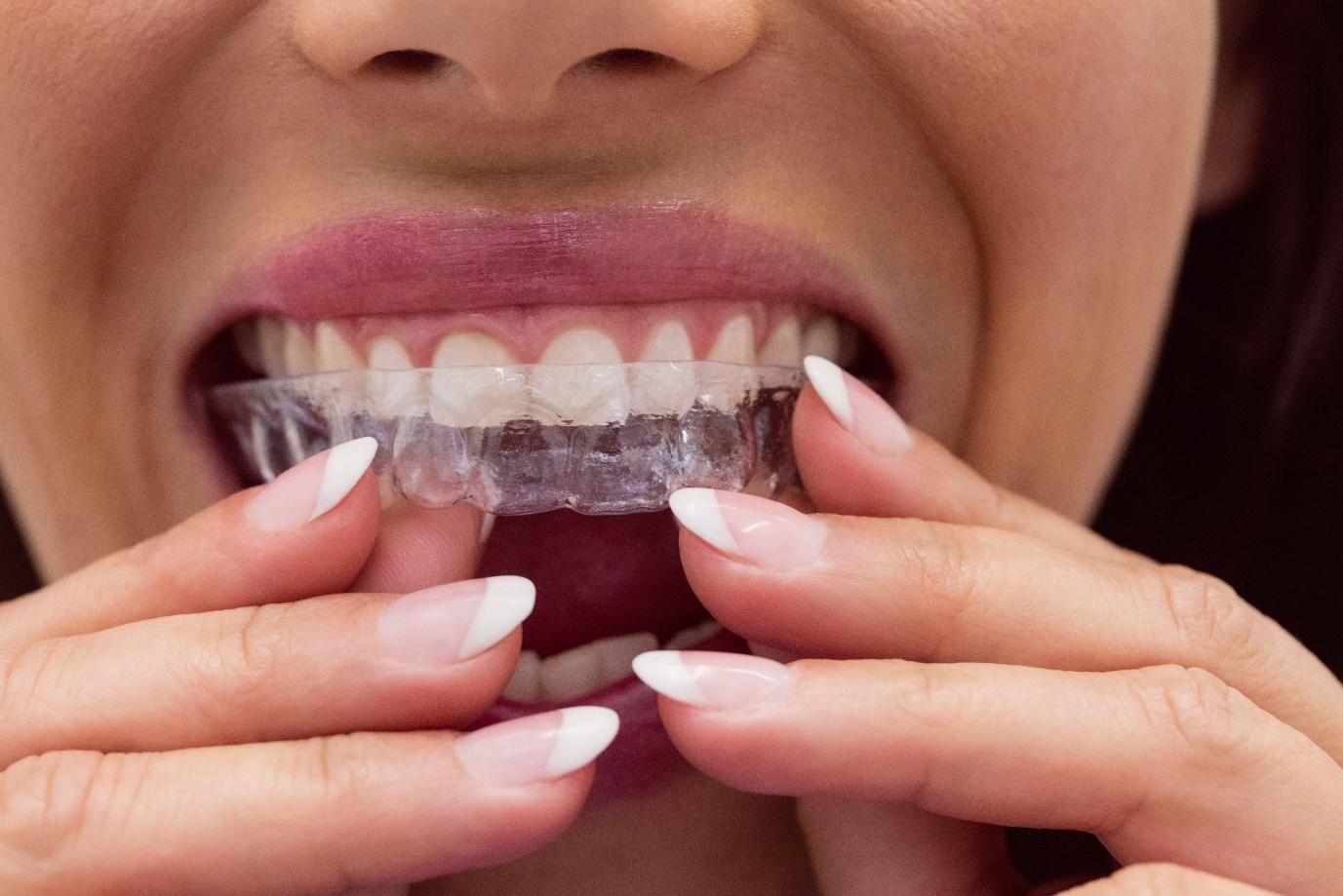
To prevent this, retainers are used to hold the teeth in their new positions while the surrounding bone stabilises. Wearing retainers as instructed is essential to maintain the results achieved during treatment.
Patients are usually advised:
- First 6 months: wear retainers full-time (except during meals)
- After that: wear at night (at least 8 hours)
It is also important to understand that retainers are a long-term commitment. Even after the initial phase, continued night-time wear helps ensure that the teeth remain stable over time.
Without proper retainer wear, patients may experience:
- Gradual shifting of teeth
- Small gaps or crowding returning
- Bite changes over time
Retainers are a simple but crucial part of orthodontic treatment. They protect the time, effort, and cost invested in achieving a straight smile, and help ensure that the results last for many years.
 Conclusion
In summary, most braces treatments in Singapore take between 12 to 24 months, although this can vary depending on individual factors such as age, case complexity, and patient compliance. Both braces and Invisalign can achieve excellent results within a similar timeframe when used appropriately.
Orthodontic treatment is a gradual process, but each stage plays an important role in achieving a healthy, well-aligned smile. By attending regular appointments and following instructions closely, patients can help ensure that their treatment progresses as smoothly and efficiently as possible.
If you are considering braces or Invisalign, the best way to get an accurate estimate of your treatment duration is to come in for a consultation. A personalised assessment will allow us to provide a clearer timeline and recommend the most suitable treatment option for your needs.